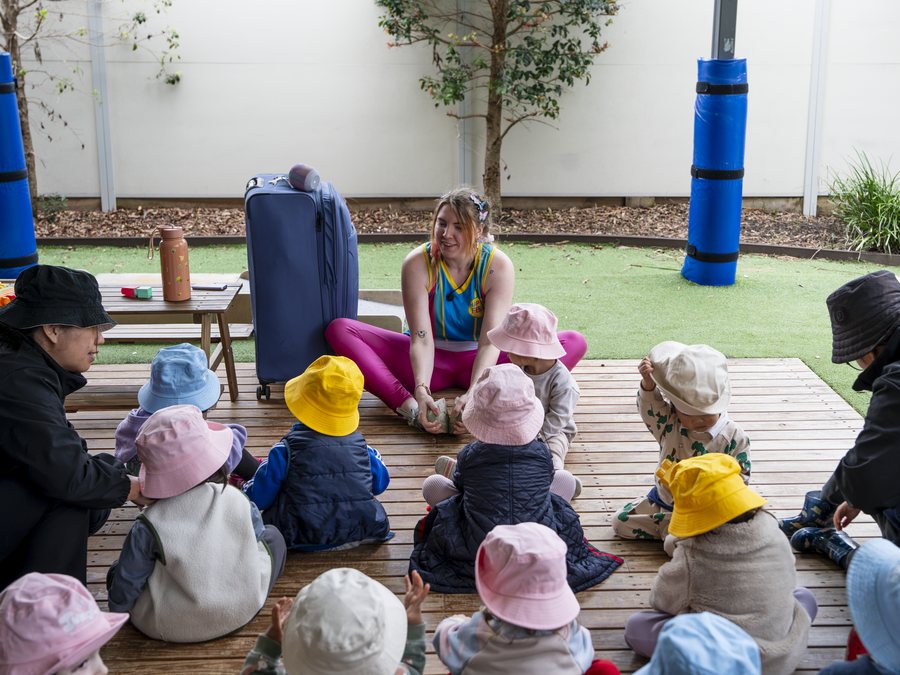
Choosing a childcare centre is one of the biggest decisions a family makes. One of the most important questions parents ask is simply this: Who will actually be with my child? What do I need to know about their qualifications and the safety standards they must meet?
This post is here to answer that clearly and honestly. No jargon, just the information every Australian family deserves to have.
Understanding what the standards are helps you ask the right questions and feel confident in your choice.
Childcare Educator Qualifications Australia Explained
All childcare centres operating in Australia are regulated under the National Quality Framework (NQF). This framework is governed by the Australian Children’s Education and Care Quality Authority (ACECQA). The NQF sets out the minimum qualifications every educator must hold to legally work with young children.
Early Childhood Teacher (ECT)
An Early Childhood Teacher must hold an approved early childhood teaching degree. ECTs lead the educational program and are responsible for planning and documenting children’s learning journeys.
Diploma Qualified Educator
A Diploma Qualified Educator holds a Diploma of Early Childhood Education and Care. These educators take on leadership responsibilities within the room and support the broader team.
Certificate III Educator
A Certificate III Educator holds a Certificate III in Early Childhood Education and Care. This is the minimum qualification required to work directly with children in a regulated service.
It is worth knowing that in some states, early childhood teachers are also required to hold teacher registration in addition to their qualifications. You can check qualification requirements for your state on the ACECQA website at acecqa.gov.au.
Child Safety Standards Every Centre Must Follow
Child safety in early childhood settings is guided by both national and state legislation. Every educator working with children in Australia must hold a current Working With Children Check (WWCC) before they can be employed in any childcare setting.
What Child Safe Standards Mean in Everyday Practice
Beyond the regulations, quality early childhood centres actively build a culture of child safety. This means children are supported to understand their rights. They feel safe to speak up and are listened to. It also means families are kept informed and treated as genuine partners in their child’s safety and wellbeing.
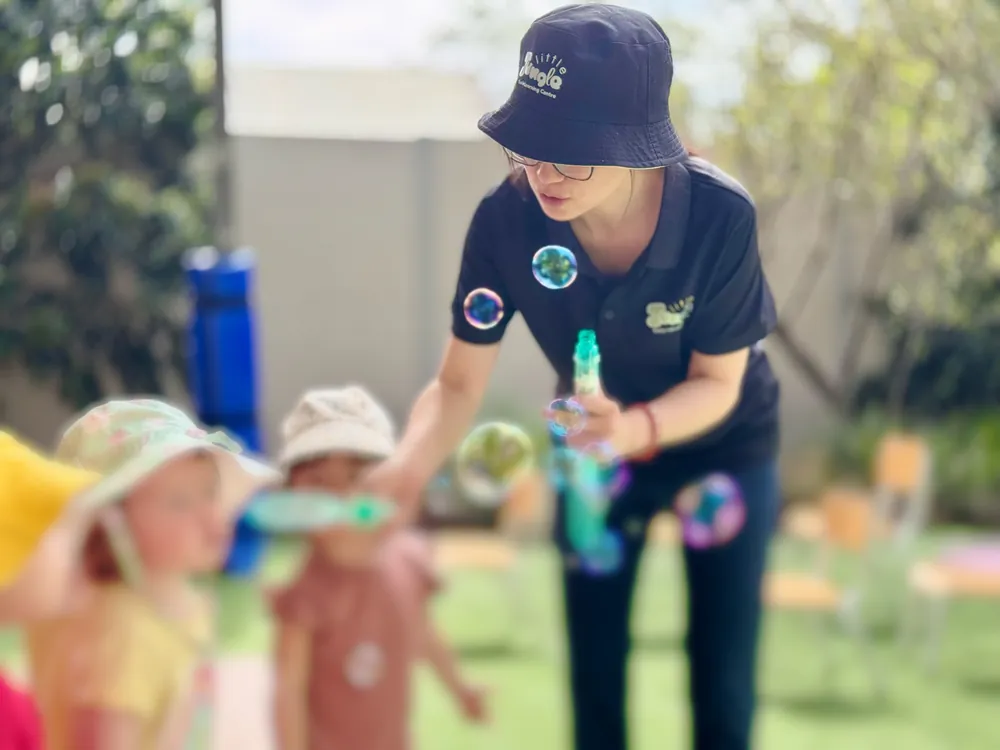
Regulations set the floor. Our values take us much further than that.
Questions Every Parent Has the Right to Ask
When visiting or enrolling at any early childhood centre in Australia, you are absolutely entitled to ask:
What qualifications do your educators hold? A quality centre will be transparent about the qualifications of every person working with your child.
Do all staff hold a current Working With Children Check? This is a legal requirement. Any centre should be able to confirm this immediately and show you how they verify it.
Who holds first aid, anaphylaxis, and asthma qualifications? Ask how many staff are trained and how the centre ensures a qualified person is always present across all areas.
What is your process for reporting a safety concern? Centres must have clear, documented procedures. Ask to see their child safety policy.
A centre that welcomes these questions openly is a centre that takes child safety seriously. You should never feel uncomfortable asking them.
The Importance of Educator Qualifications
Educator qualifications are essential for ensuring a safe and nurturing environment for your child. When educators are well-trained, they can provide better care and support. They understand child development and can create engaging learning experiences. This is vital for your child’s growth.
Building Trust with Families
Trust is the foundation of a strong relationship between families and childcare centres. When you know that educators are qualified and committed to child safety, you can relax. You can focus on your child’s happiness and development.
Continuous Professional Development
The best childcare centres encourage continuous professional development. This means that educators regularly update their skills and knowledge. They attend workshops and training sessions. This commitment to learning ensures that your child receives the best care possible.
Creating a Safe Environment
A safe environment is crucial for young children. Educators must be aware of potential hazards and know how to manage them. They should also teach children about safety in a way that is age-appropriate. This helps children learn to make safe choices as they grow.
Supporting Your Child’s Development
At a quality childcare centre, your child’s development is the top priority. Educators use play-based learning to foster creativity and critical thinking. They create a stimulating environment where children can explore and learn at their own pace.
Encouraging Social Skills
Social skills are vital for young children. Educators help children learn to share, cooperate, and communicate. These skills are essential for building friendships and working in groups.
Fostering Emotional Wellbeing
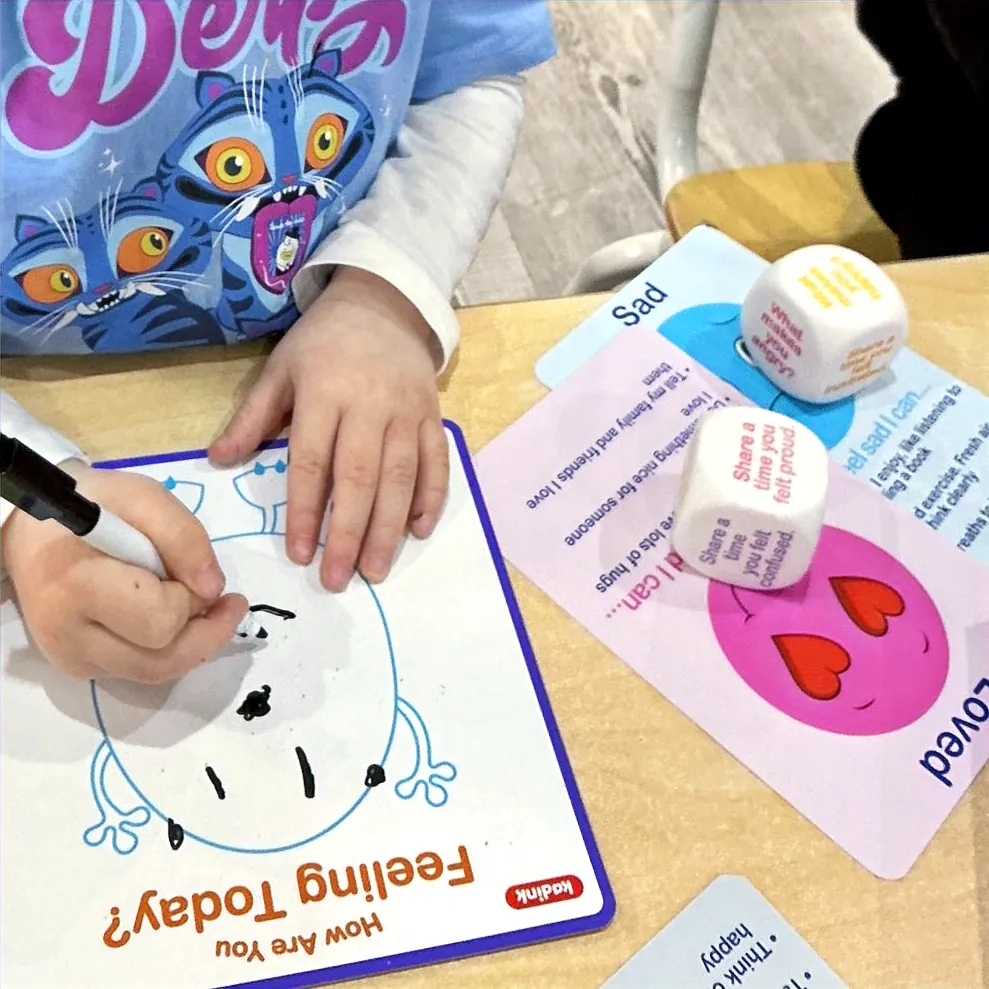
Emotional wellbeing is just as important as physical safety. Educators create a nurturing atmosphere where children feel valued and understood. They encourage children to express their feelings and support them in managing emotions.
Engaging Families in the Learning Process
A strong partnership between families and educators enhances your child’s learning experience. Quality centres involve families in various ways. They provide regular updates on your child’s progress and encourage feedback. This collaboration helps create a supportive community for your child.
Conclusion
Choosing the right childcare centre is a significant decision. Understanding educator qualifications and child safety standards is essential. When you know what to look for, you can make an informed choice.
Remember, you have the right to ask questions. A quality centre will welcome your inquiries and provide clear answers. This transparency builds trust and confidence in your choice.
For more information, visit acecqa.gov.au or the NSW Office of the Children’s Guardian at ocg.nsw.gov.au.
Your child’s safety and development are paramount. Choose a centre that prioritises both — and meet the team in person before you decide.