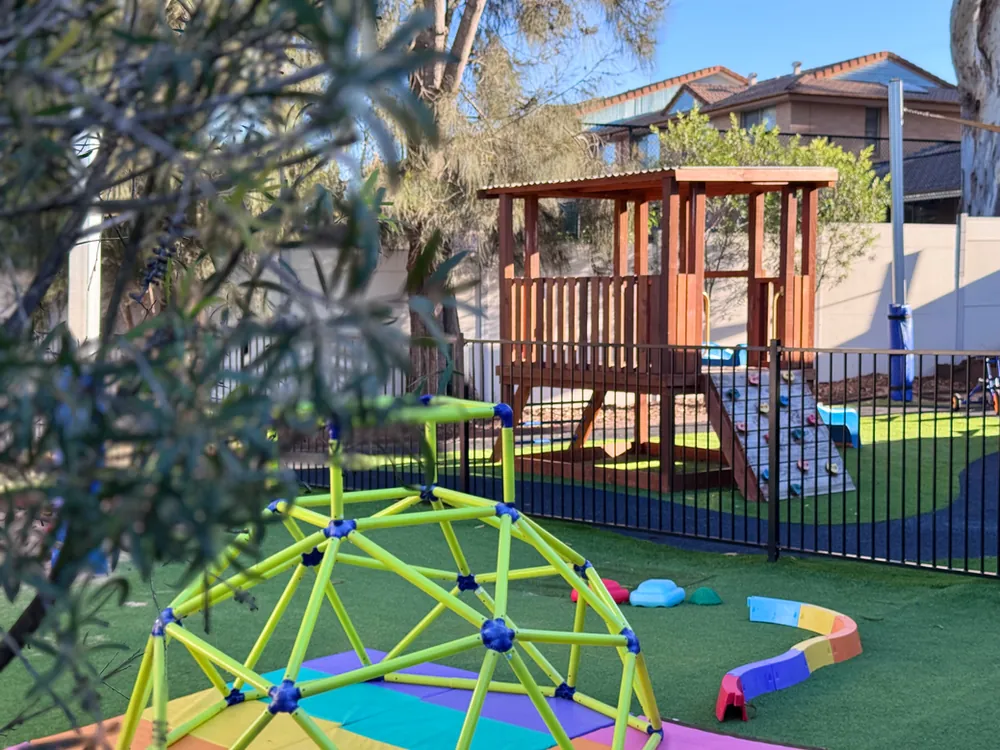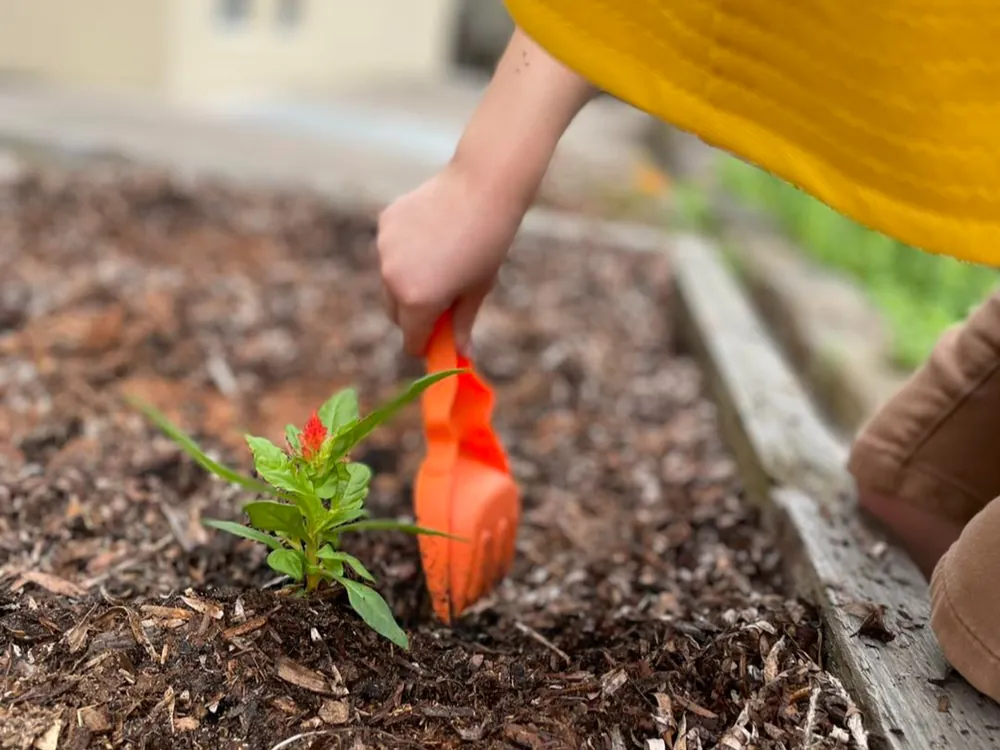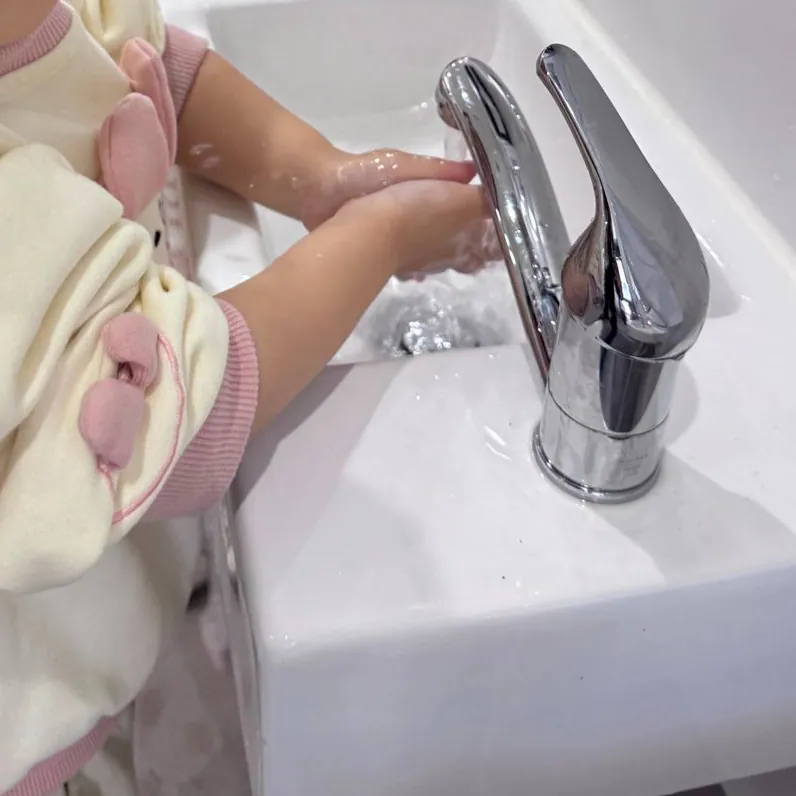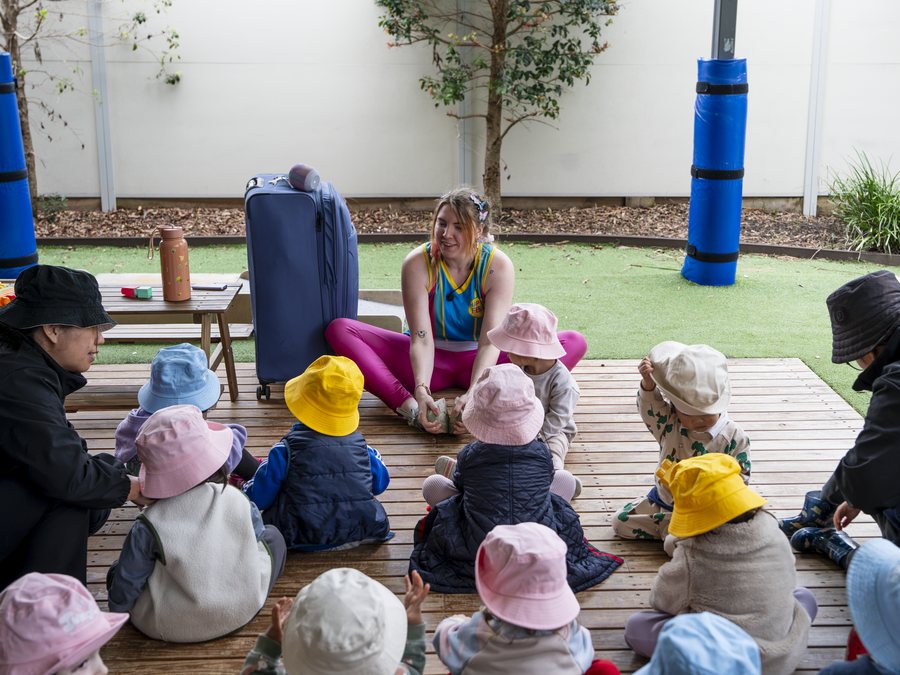
There are small moments in our rooms that show us how much children are learning.
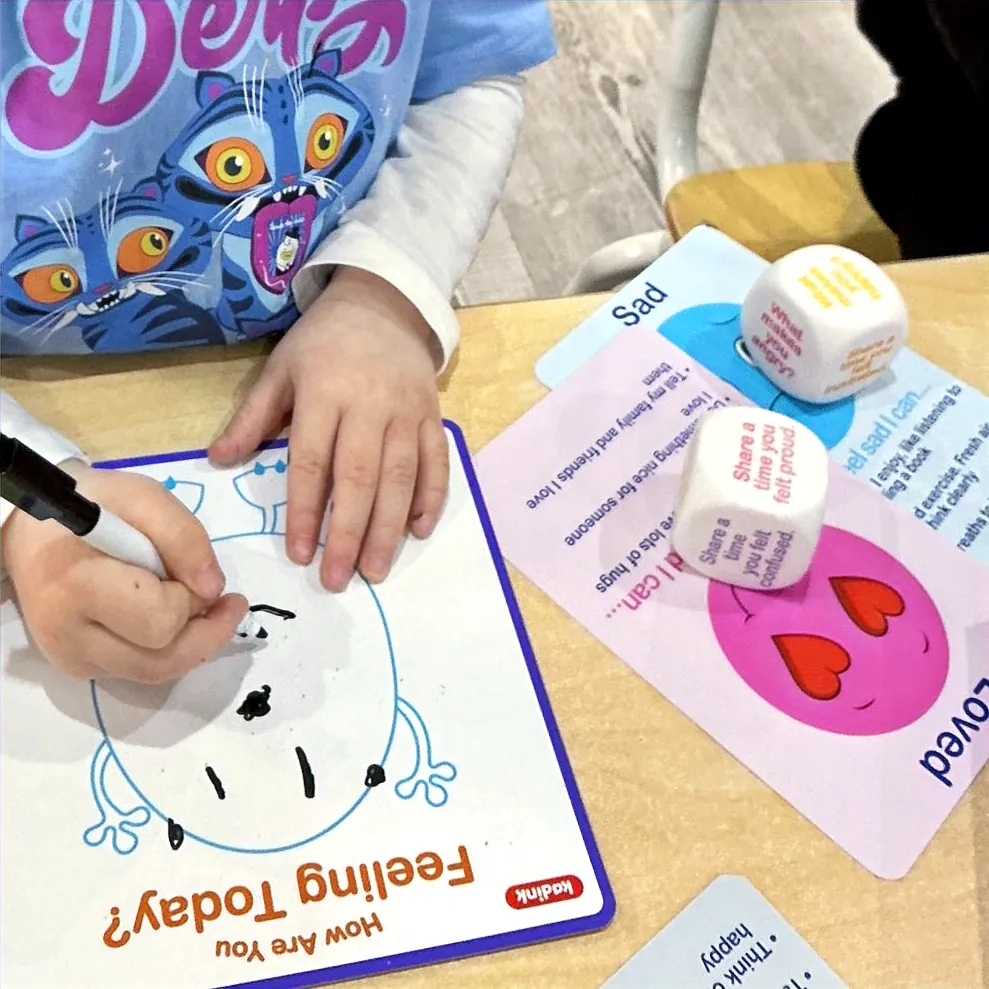
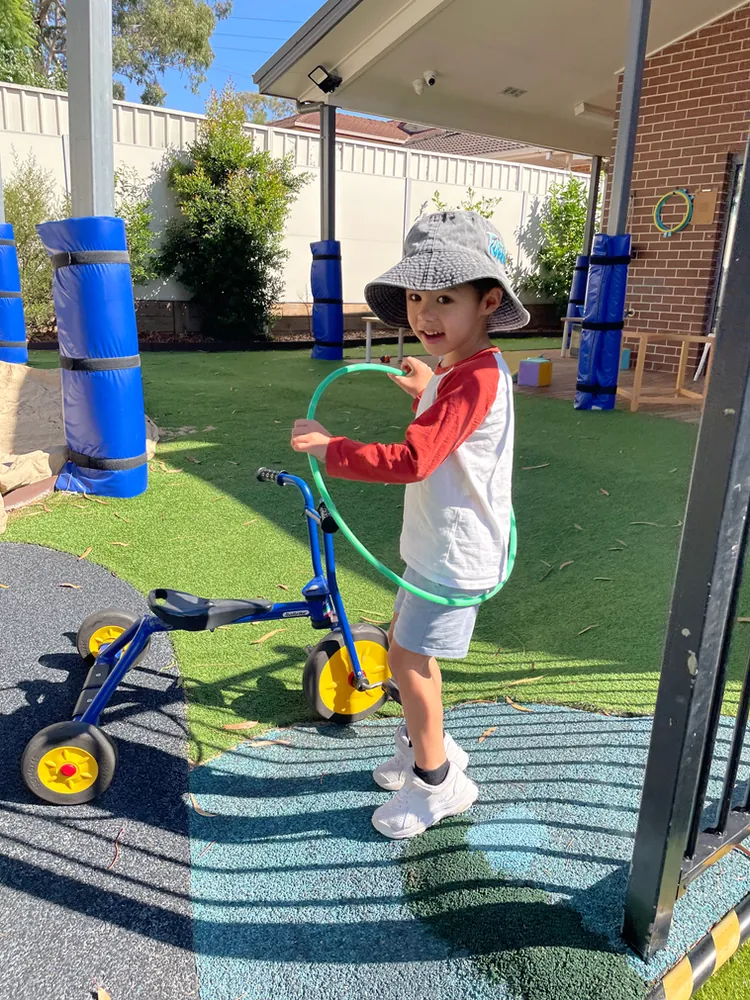
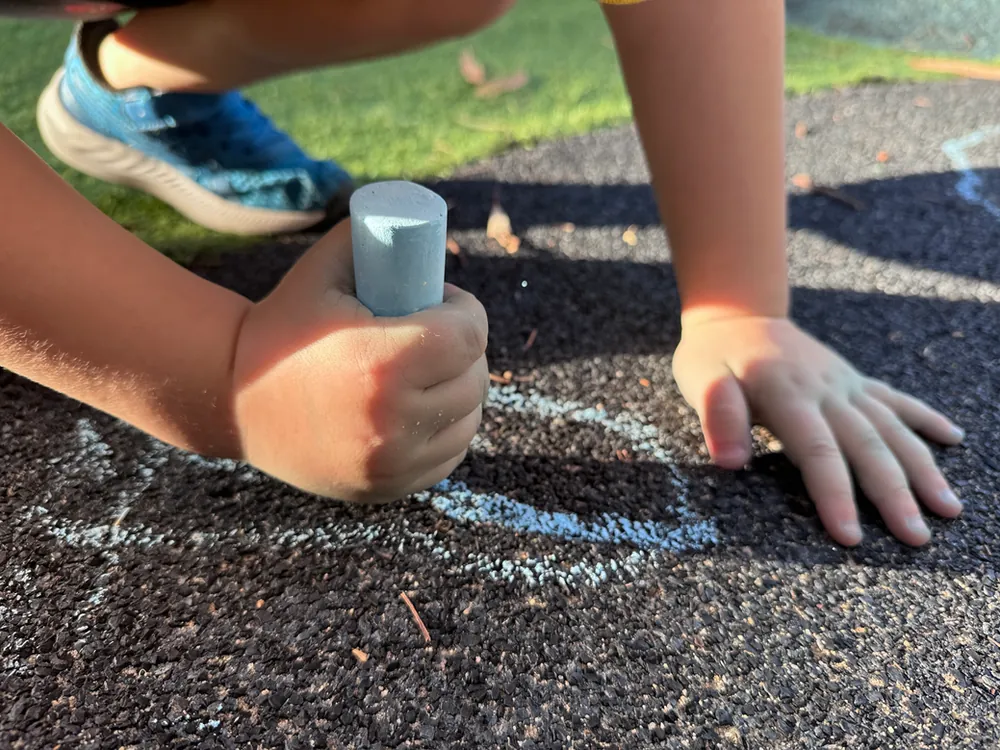
A child may notice a material on the shelf and decide they want to use it. They may carry it carefully to the table, explore it, try again when it does not quite work the first time, look to an educator for reassurance, or ask for help when they need it. Sometimes they complete the whole process on their own. Sometimes they need gentle guidance. Sometimes they are still learning how to pack it away and return it to where it belongs.
And that is exactly what learning looks like.
At Little Jungle, we do not expect young children to be independent all at once. Independence is built slowly. It comes through repetition, modelling, encouragement, time and a calm environment where children feel safe enough to try.
This is one of the ways Montessori inspires our practice.
Montessori principles remind us of something very important: children are capable, and adults do not always need to rush in and do everything for them.
Sometimes we help.
Sometimes we model.
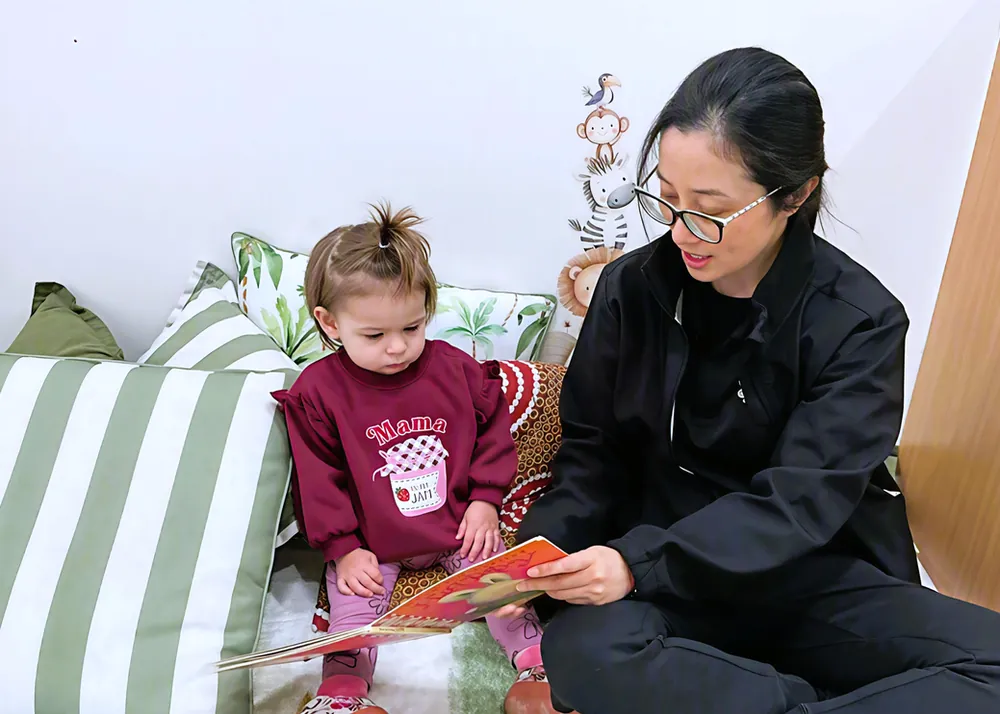
Sometimes we sit close and encourage.
And sometimes, when the child is ready, we step back and give them space to try.
That is not passivity. That is one of the most intentional things we do.
It started with a woman who believed children could
Maria Montessori was an Italian doctor and educator who, in the early 1900s, began working with young children in Rome. What she observed changed everything she thought she knew about how children learn.
She noticed that when children were given real materials, real tasks, and real responsibility — without being told exactly what to do — they were not chaotic. They were focused. They were calm. They were deeply, genuinely engaged.
From those observations grew one of the most widely respected approaches to early childhood education in the world.
The central idea is simple. Children have a natural drive to learn. They do not need to be pushed or rewarded or managed into it. They just need the right environment — and the freedom to use it.
The environment is doing something
Every material on our shelves is there for a reason. Nothing is random. Nothing exists just to fill a space or make a room look busy.
When a child walks into one of our rooms in the morning, the space itself is speaking to them. It is saying — look what is here. Look what you can do. Look what we believe about you.
A shelf full of real, beautiful, open-ended materials makes a very specific promise to a child. We trust you. We think you can handle this. We are not going to do it for you — because we know you do not need us to.
That is what a prepared environment does. It does not direct. It invites. And then it trusts the child to take it from there.
The educator steps back.
This is the part that surprises people most.
In a Montessori classroom, the educator is not the centre of the room. The child is.
Our educators prepare the environment, observe carefully, and then step back. They resist the urge to help before help is needed. They watch a child struggle with something for a moment — and they wait — because they know that the struggle is where the learning is.
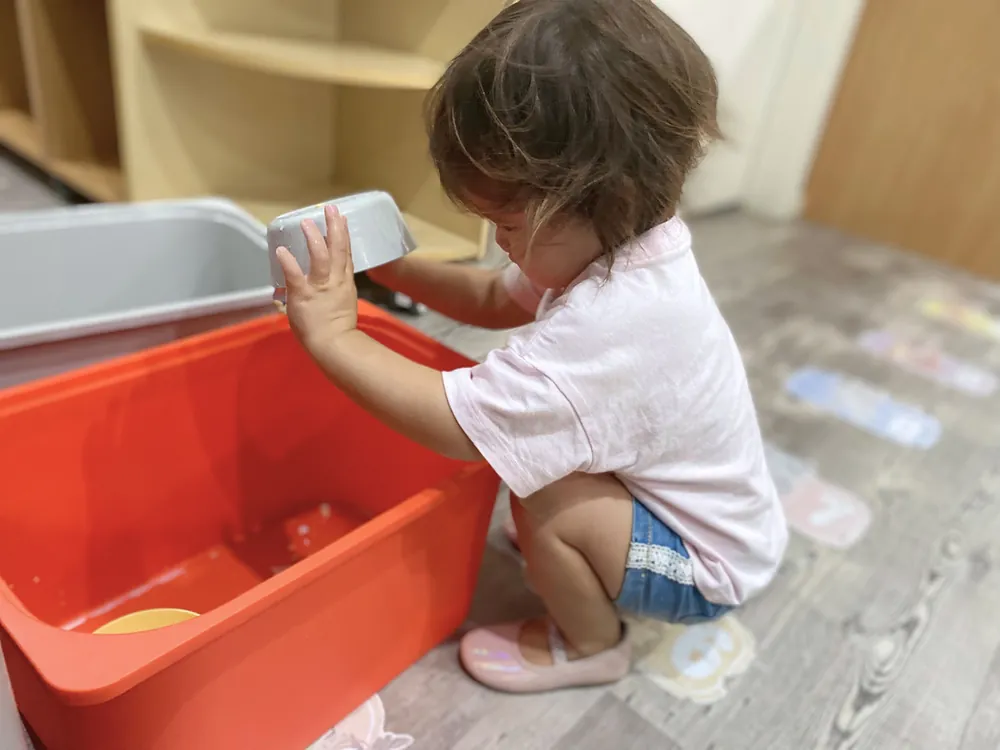
When a child is allowed to figure something out themselves — really figure it out, without being shown or told — something different happens. They do not just know the answer. They understand it. They own it.
That is not something you can give a child. It is something they have to find.
Two approaches. One centre. Every day.
You might be wondering how Montessori and Reggio Emilia sit alongside each other. Whether they are too different to work together. Whether one cancels the other out.
Here is what we have found.
They are different. And that difference is exactly what makes them work.
Montessori gives our rooms their structure. The prepared shelves. The real materials. The sequence. The space that says to a child — everything here is for you, and everything has its place.
Reggio gives our educators permission to follow a child beyond that structure when the moment calls for it. To put down the plan. To pull up a chair and go wherever a child’s curiosity is leading — even if no one planned for it to go there.
One shapes the environment. The other shapes how we respond to what happens inside it.
Both believe children are capable. Both ask educators to observe before they act. Both trust that learning is already happening, even when it is quiet, even when it is slow, even when it does not look like anything from the outside.
At Little Jungle it is not one or the other. It never has been. It is both — held together, every day, in every room, for every child.
If you have not read our Reggio Emilia blog yet, we think you will find it worth your time. It is the other half of this story.
Or better yet, come in and see it for yourself. We would love to show you around.