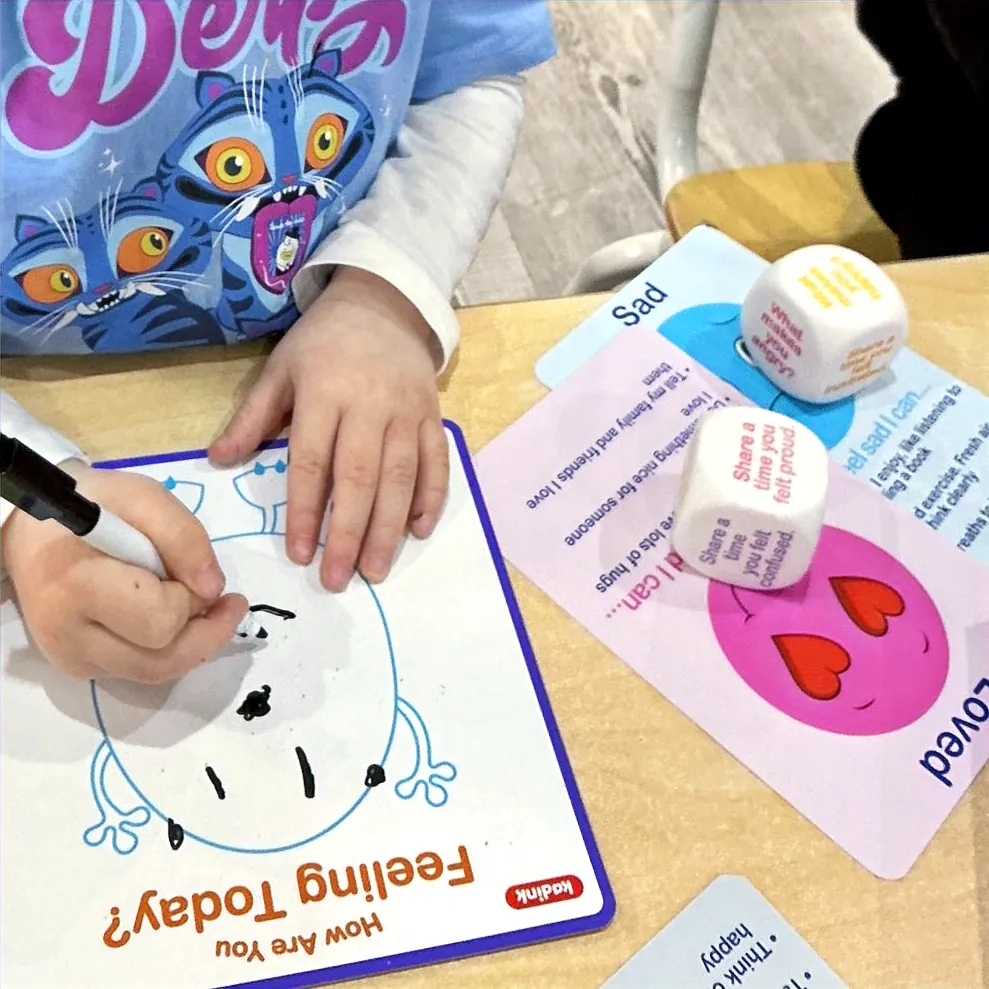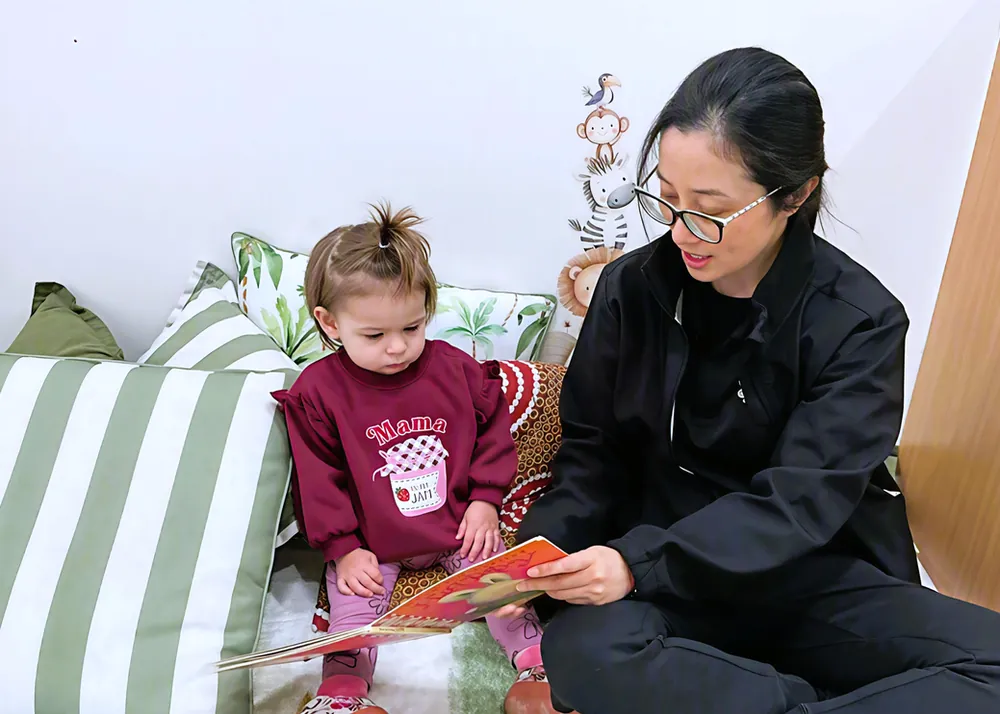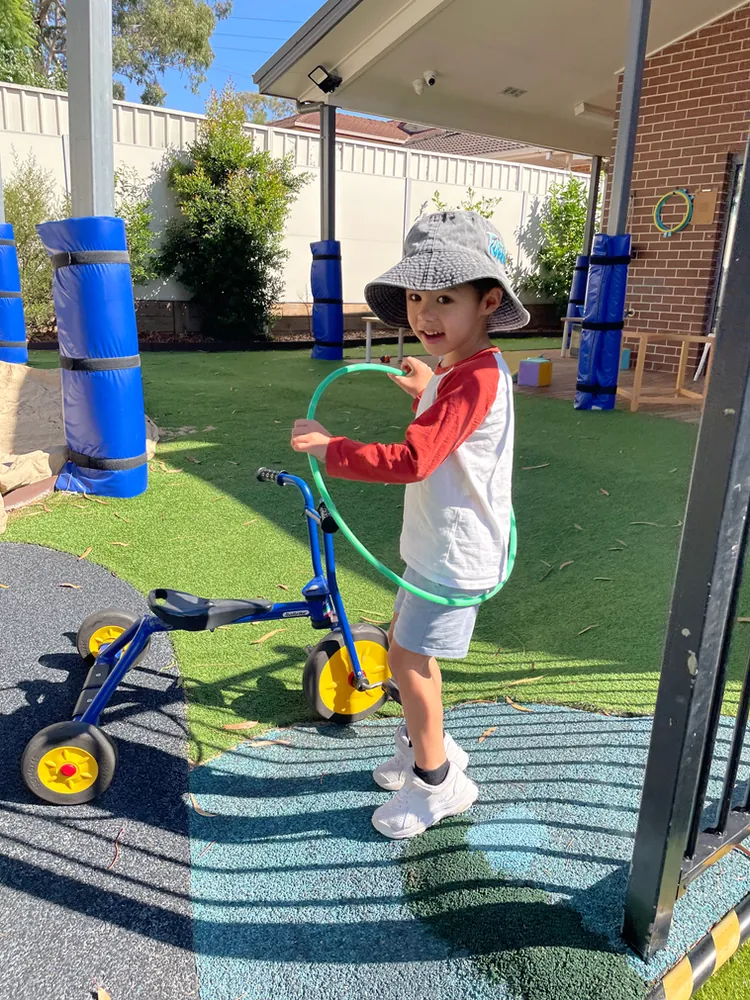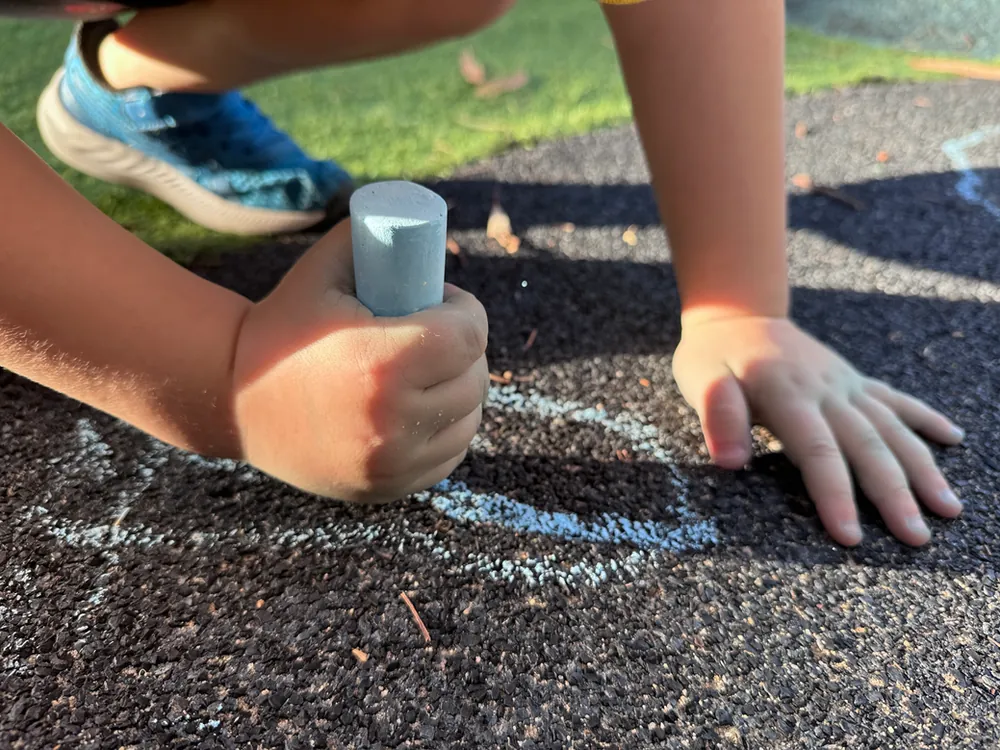
If you have ever walked into Little Jungle and felt like the space was a little different from other childcare centres you have visited, you are not imagining it.
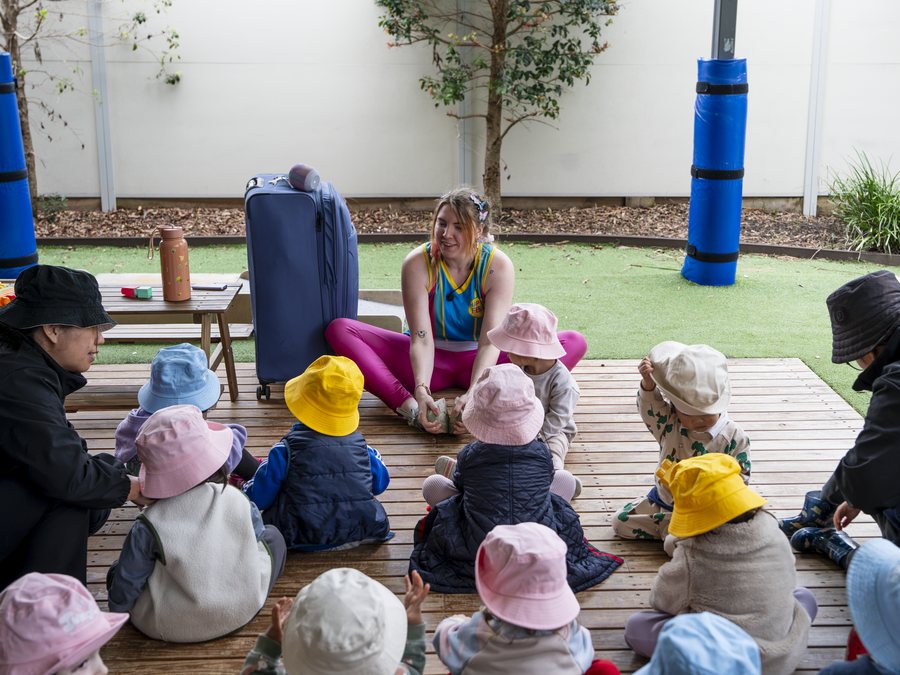
The natural materials. The way the rooms are arranged. The fact that our educators are almost always sitting beside a child rather than standing at the front of a room. It all comes back to something called Reggio Emilia — and we want to share what that actually means for your child every day.
Reggio Emilia began in northern Italy after the Second World War. A group of parents and an extraordinary educator named Loris Malaguzzi built a new kind of school on one simple idea. Children are not empty vessels waiting to be filled with information. They are curious, capable people who already have their own ideas about the world — and the job of every adult around them is to take those ideas seriously.
That one idea changes everything about how a day runs.
Everything.
What it looks like in practice
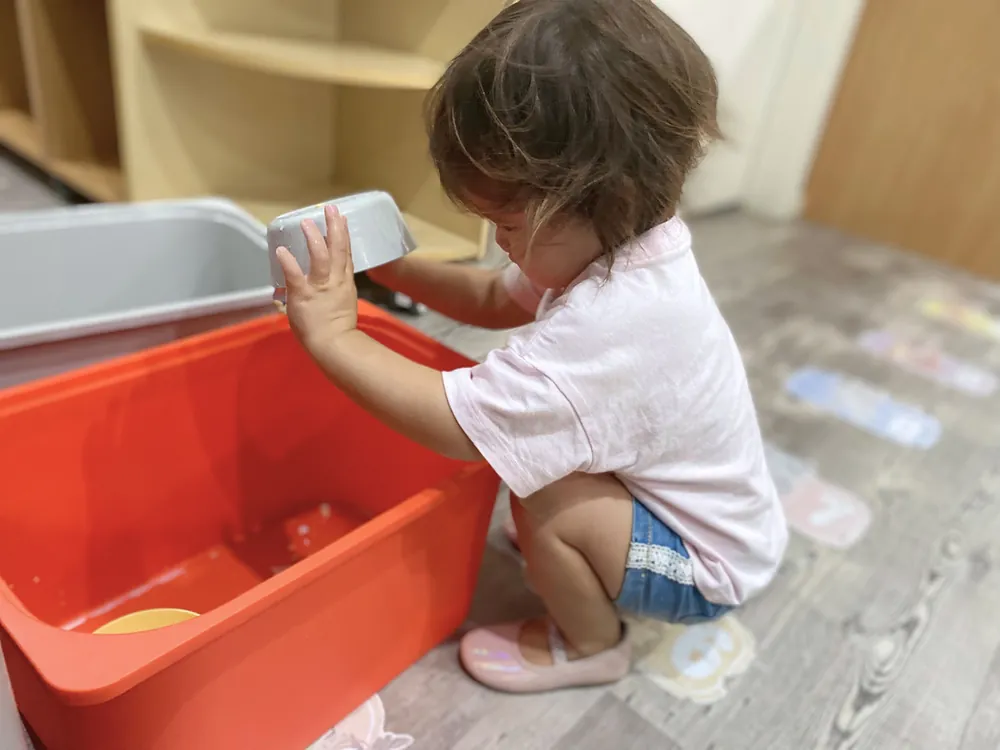
You will see educators who ask questions instead of giving answers. Who observe before they intervene. Who trust that a child pouring water from one container to another is not wasting time — they are working something out.
“Play is the work of the child.” And in our rooms, we take that work seriously.
That is not an accident. That is the whole approach.
That trust is not passive. It is one of the most intentional things we do.
The environment as the third teacher
In Reggio Emilia thinking, the space itself is considered as important as the people in it. It is called the third teacher.
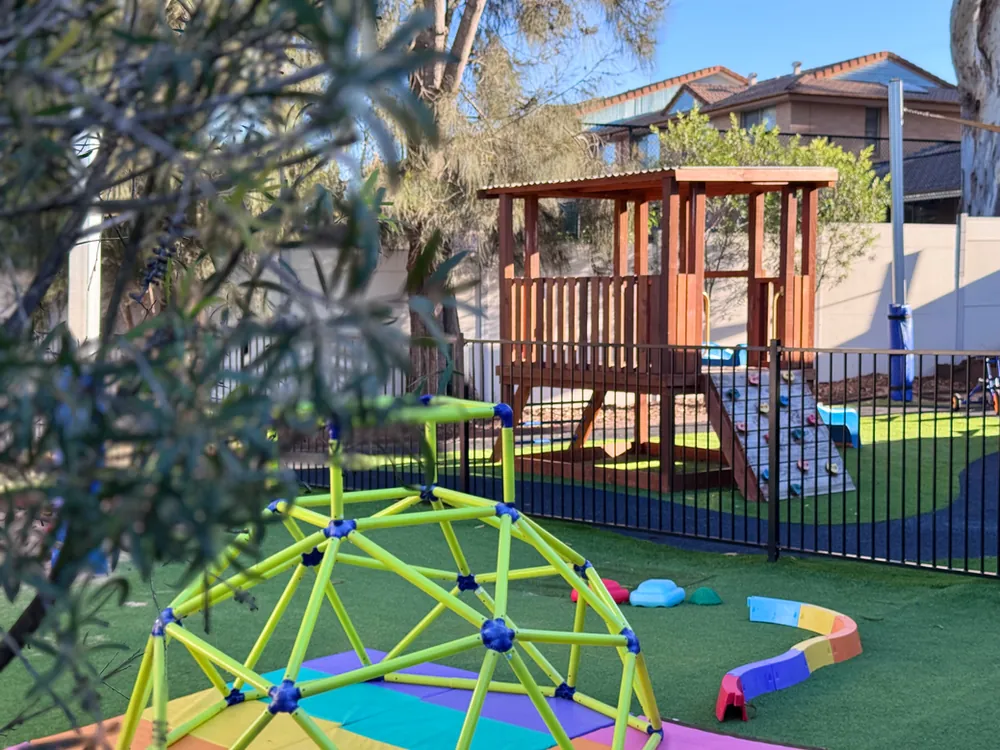
This is why we spend so much care on what goes on our shelves, what materials are available, how the light falls in a room. Because the environment makes an invitation. It tells your child what is possible here. It tells them what we believe about them.
A space full of open-ended, beautiful, real materials says something very specific.
We trust you to figure this out.
A hundred languages
Malaguzzi wrote about what he called the hundred languages of children. The idea is that children express what they know and feel and wonder about in a hundred different ways — through building, drawing, music, movement, clay, water, storytelling, and conversation. All of it is learning. All of it matters.
Not just the words. Not just the drawings on paper. All of it.
Because every child has something to say. We just have to be willing to listen in all the ways they say it.
We try to make space for as many of those languages as we can. Because we know that not every child expresses themselves the same way. And we believe that every single one of those expressions is worth paying attention to.
You see this at Little Jungle every day. In the child who spends an entire morning at the water trough and comes away understanding something that no lesson could have taught them. In the child who builds the same structure over and over because they are working something out. In the conversations that happen between children around a table of loose parts — conversations that go somewhere no adult would have planned.
We do not always know exactly what a child is learning in any given moment.
But we trust that something is happening.
And we have learned, again and again, that when you trust a child like that — really trust them — they will almost always show you something remarkable.
That is what Reggio Emilia means to us.
Not a method. Not a checklist. A way of seeing children.
And it is what we bring to every room, every day, for every child who walks through our door.
Reggio Emilia shapes how we see children. Montessori shapes how we set up the world around them. Read our Montessori blog to see how the two work together at Little Jungle.
Curious about our approach in person? We would love to show you around. Book a tour.