When you watch a baby bat at a mobile, or a toddler line up blocks by themselves, or a group of children build an elaborate shop together you are watching something that looks simple but is actually extraordinary.
Play is how children learn. Not a warm-up for learning. Not a break from it. Play is the thing itself. And the way children play changes meaningfully as they grow becoming richer, more social, and more complex with every stage of development.
Here is a look at what play looks like at each stage, why it matters, and what it means for the kind of experiences we create at Little Jungle.
Play is the highest form of research. Albert Einstein
0 to 12 months: Sensory play
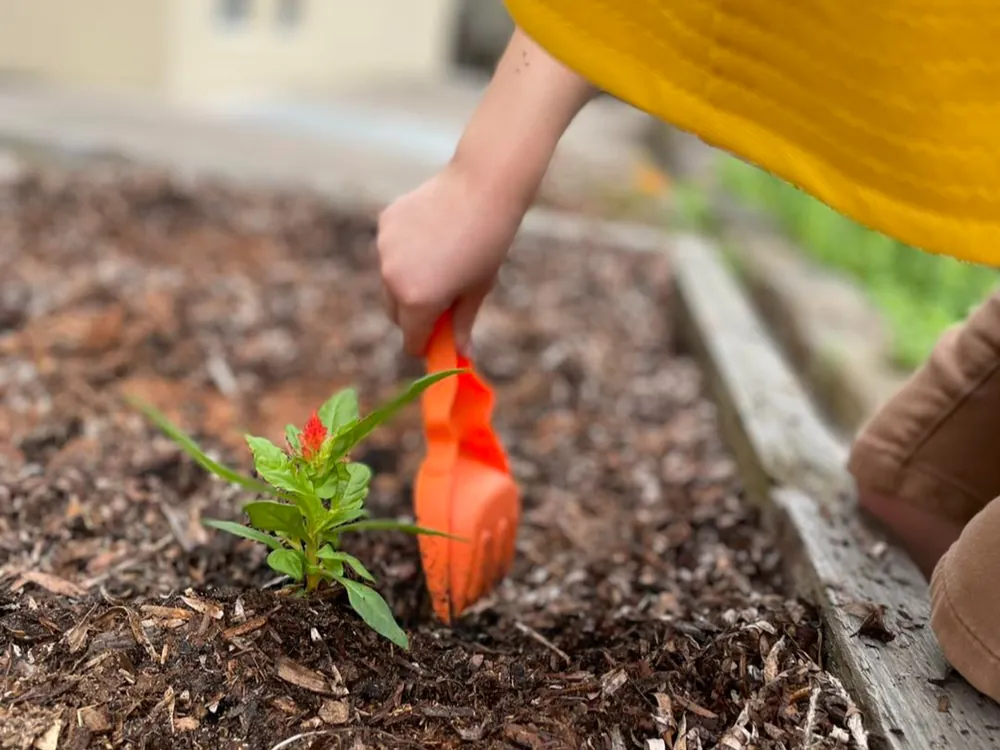
In the earliest months of life, everything is new. A baby discovering the feeling of grass under their fingers, the sound of a rattle, the way light moves across a ceiling — this is play, and it is doing profound developmental work.
Babies explore through their senses — touch, taste, sight, sound, and movement — and their curiosity is boundless. They are not yet playing with other children, but they are learning constantly: about cause and effect, about their own bodies, about the people who respond to them warmly and consistently.
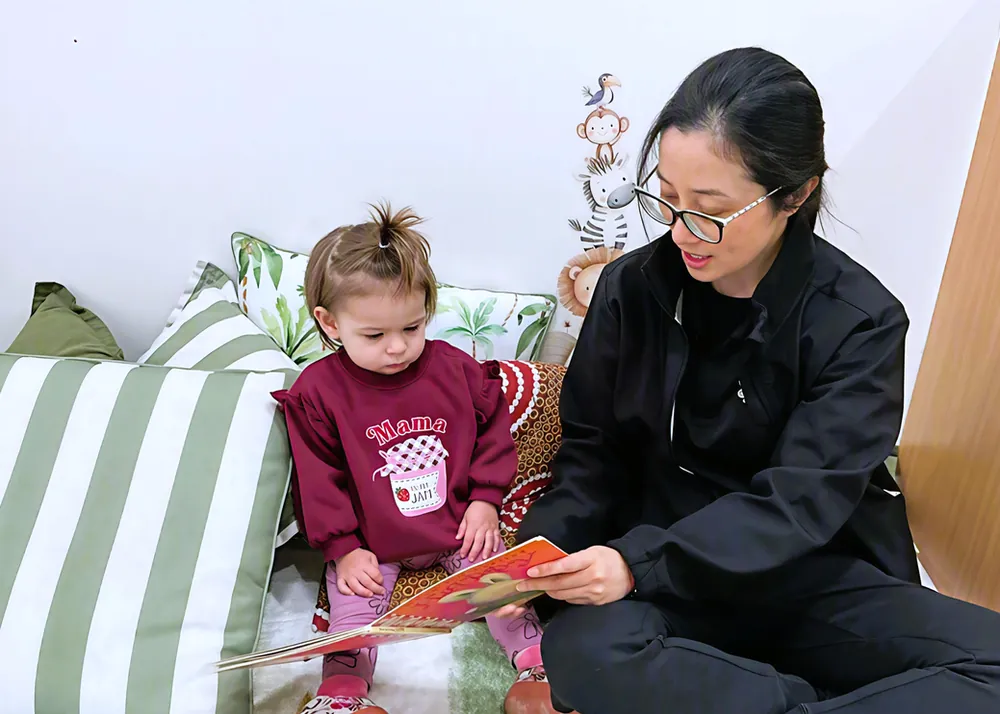
The most important play partner at this stage is a caring adult. When an educator responds to a baby’s coo, or holds a rattle just within reach and waits, that back-and-forth is the foundation of language, attachment, and learning.
12 to 24 months: Exploratory and parallel play
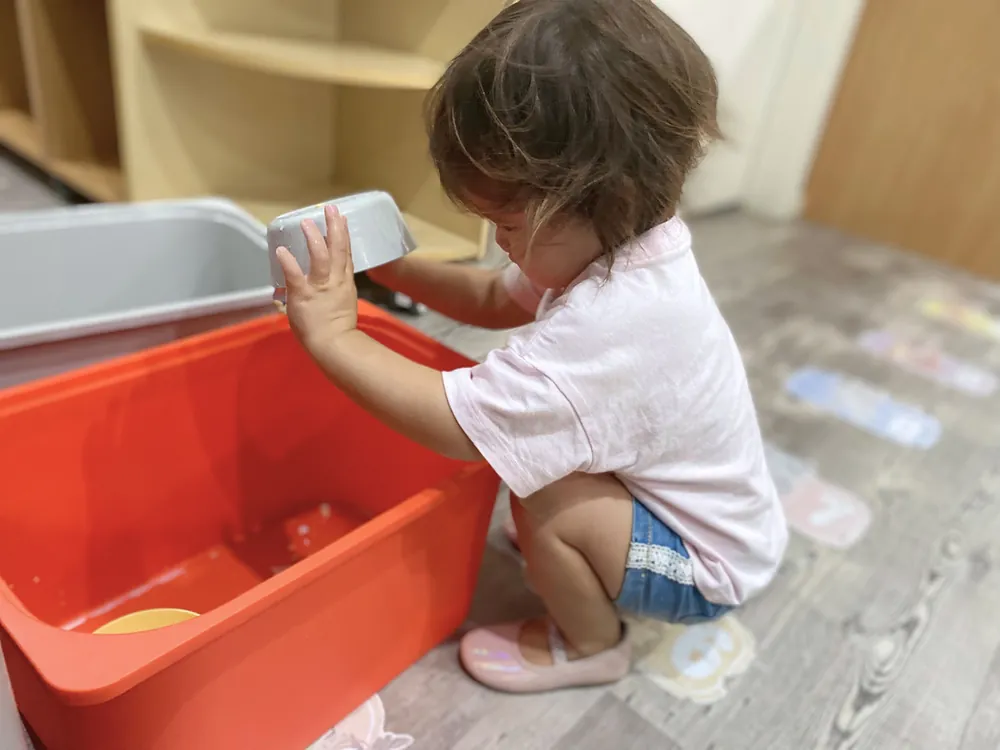
As children move through their second year, play becomes more active and more deliberate. They pour, stack, bang, push, pull, and tip. They want to do things themselves — sometimes the same thing twenty times in a row. That repetition is not restlessness. It is how the brain builds understanding.
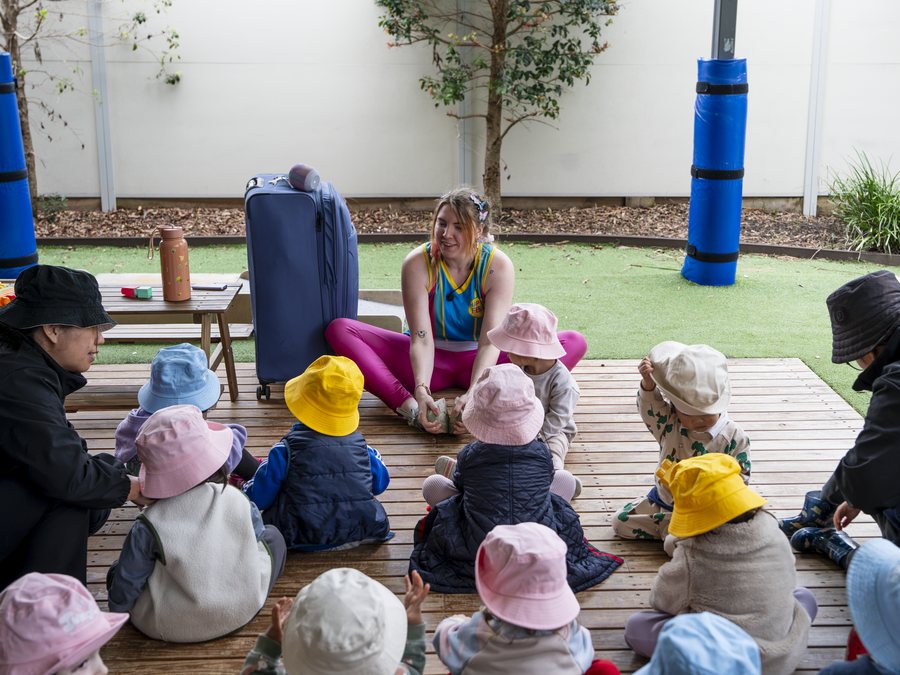
This is also when parallel play begins — children playing alongside each other rather than with each other. Two children at the same sandpit, each absorbed in their own digging, occasionally glancing across. They are paying close attention, observing and building the social awareness that will eventually become real friendship.
This stage also marks the beginning of pretend play — a spoon becoming a phone, a block becoming a car. Simple as it sounds, this is a significant cognitive leap. A child who can use one thing to represent another is building the same mental capacity that will later underpin reading, mathematics, and abstract thinking.
2 to 3 years: Imaginative play and the beginnings of together
By two, children’s play opens up beautifully. Pretend play becomes richer and more sustained. A kitchen becomes a restaurant. A box becomes a rocket. Children this age can hold a play narrative in their heads and return to it across a whole session.
Social play starts to emerge more meaningfully here too. Children are becoming genuinely interested in each other — following each other’s ideas, joining in, beginning to negotiate. Learning to navigate those moments of disagreement is one of the most valuable things a child this age can do, and it only happens through the real experience of playing together.
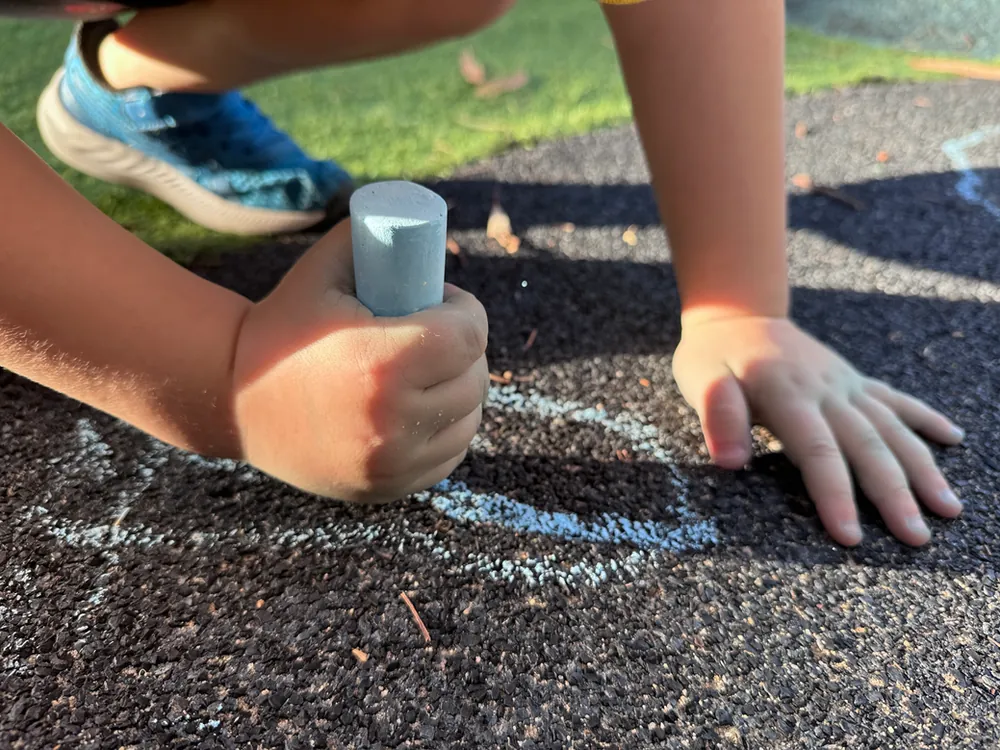
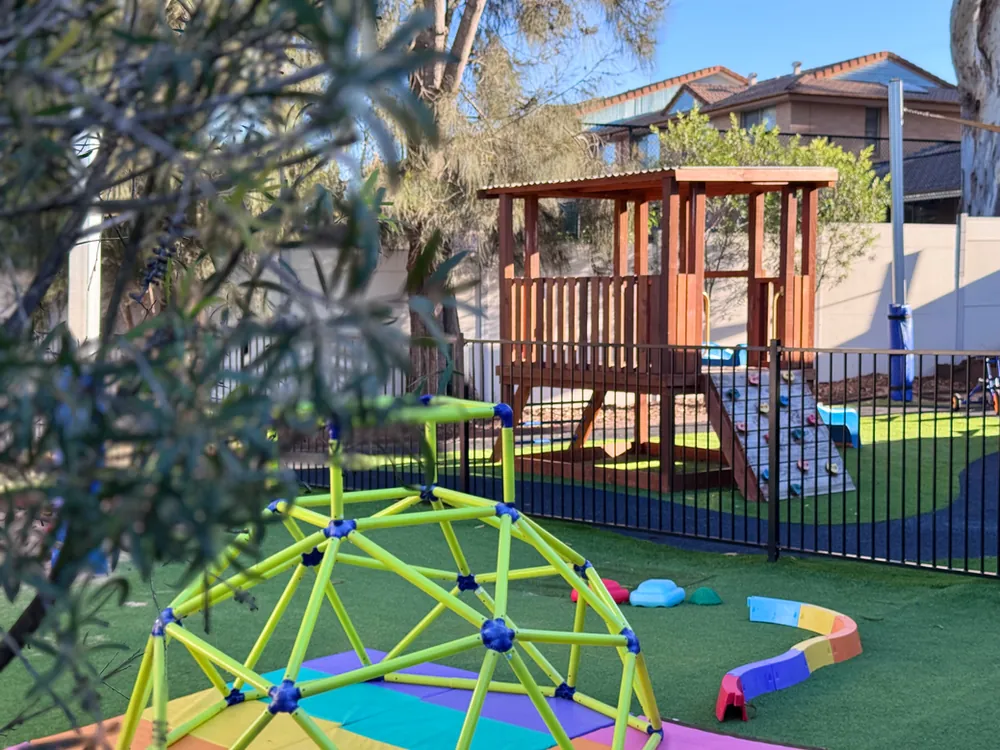
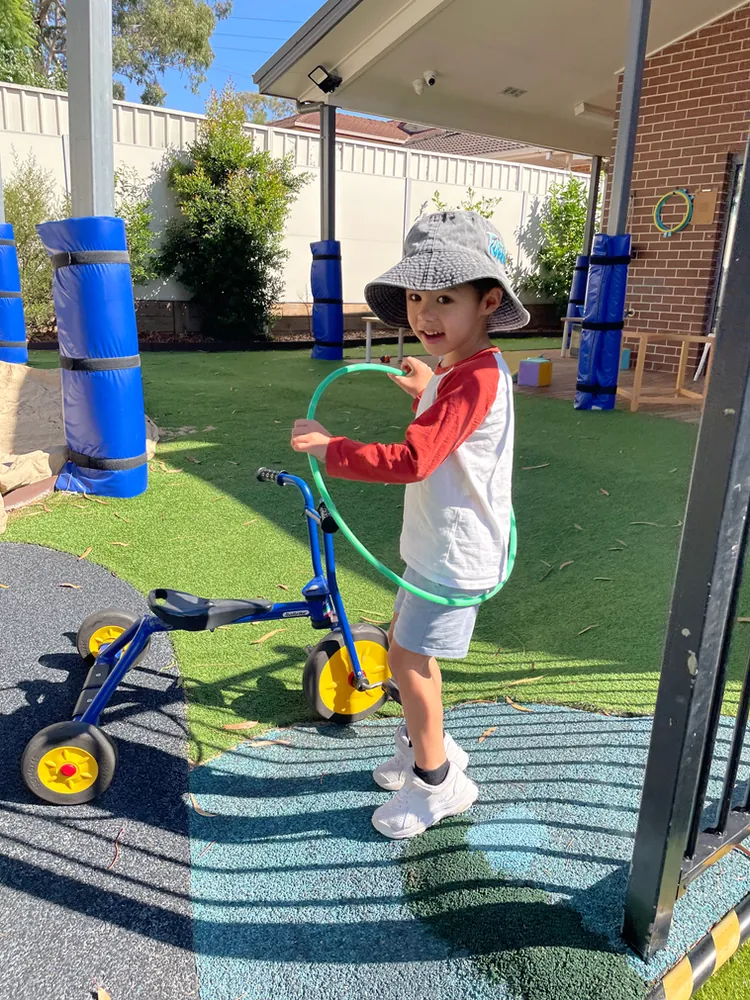
This is also the stage where physical play is at its most exuberant. Running, climbing, jumping, spinning — big body movement is not just fun, it is essential. It builds the gross motor skills, body awareness, and physical confidence children will carry with them for life.
3 to 6 years: Cooperative, creative and imaginative play
By three, play has transformed into something genuinely collaborative and creative.
Cooperative play — where children plan together, take on roles, negotiate, and work toward a shared goal — becomes the dominant mode. A group of children deciding to build a hospital, assigning each other jobs, solving problems together, and working out the rules — this is one of the most sophisticated things human beings do. And children this age do it naturally, joyfully, and with remarkable complexity.
This is also the richest period for dramatic and imaginative play. Children process their world through story — exploring emotions, relationships, and wonder through the safe distance of pretend. Children with rich dramatic play experiences develop stronger language, greater empathy, and better emotional regulation.
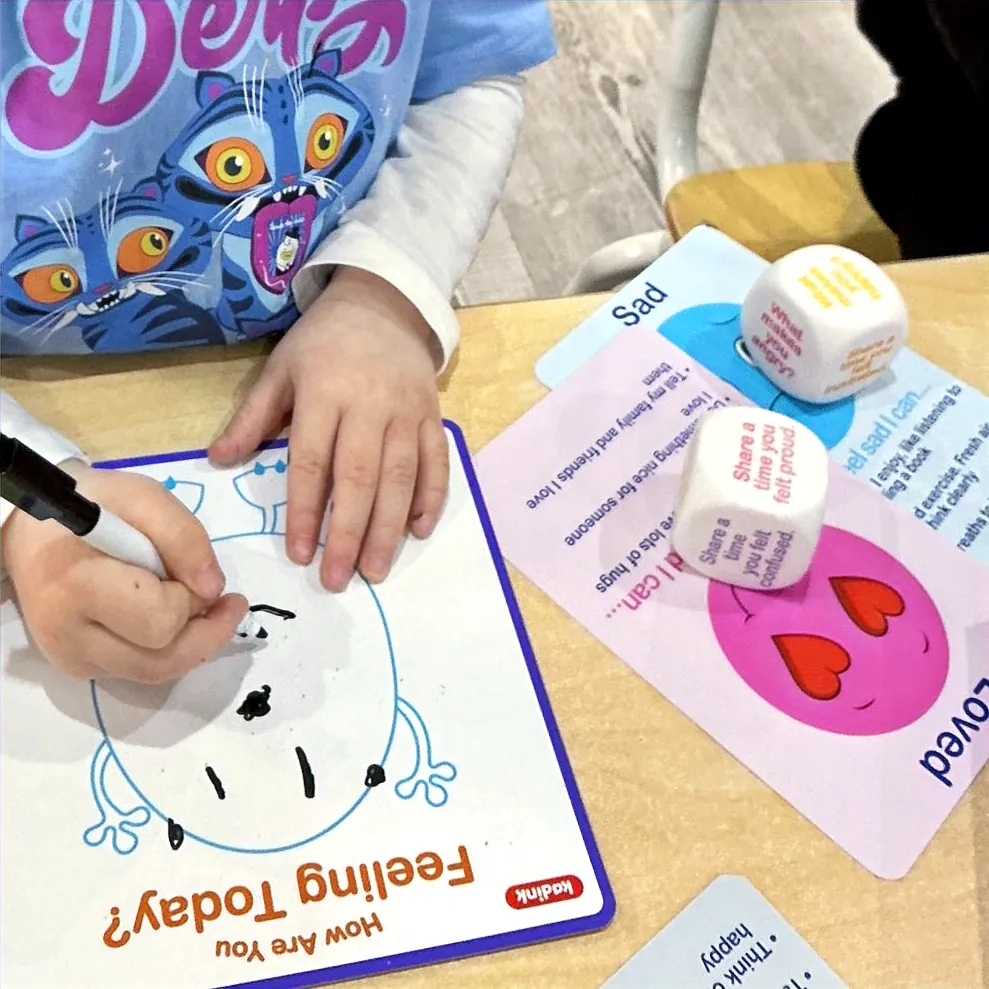
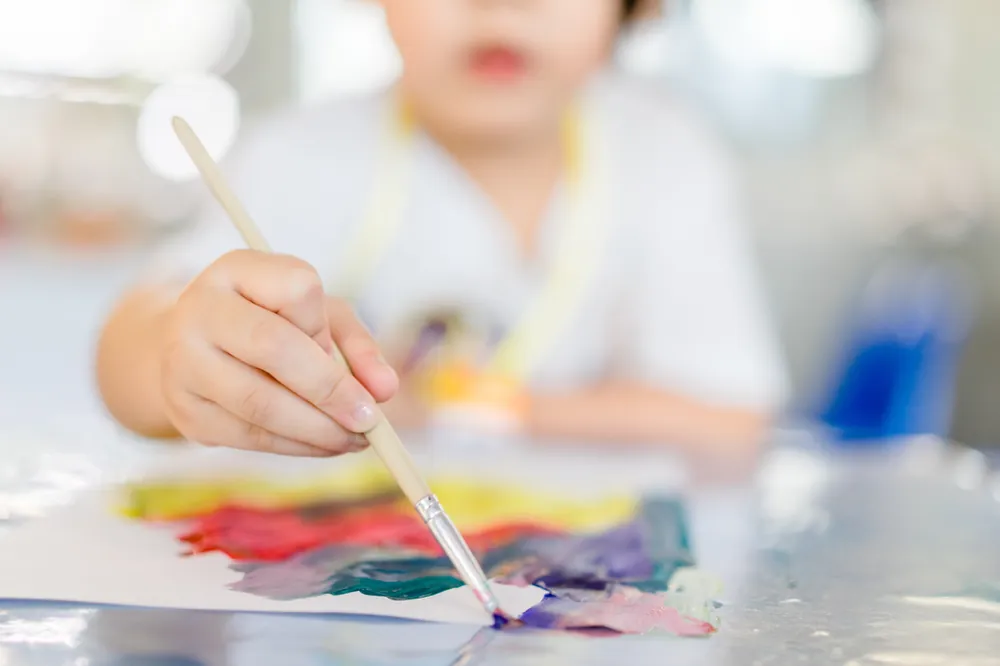
Creative play — art, music, movement, construction — reaches new heights too. Children can hold an intention in mind, work toward it, and feel genuine pride in what they have made.
What this means at Little Jungle
At Little Jungle in Dundas, we design each room and each day around the kind of play that children are developmentally ready for right now. Our Cuddle Cubs room is built for sensory exploration and secure attachment. Tiny Tigers supports the growing independence and social curiosity of toddlers. And Jungle Explorers is where collaboration, creativity, and big ideas take centre stage.
Families come to us from Parramatta, Rydalmere, Telopea, Carlingford and across the local area — and one of the things parents tell us most often is that they can see their child changing. Growing in confidence. Learning to play with others. Becoming someone who has ideas, and who shares them.
That is play doing exactly what it is meant to do. Little Jungle Early Learning Centre is located at 1 Bennetts Rd W, Dundas NSW 2117, serving families from Dundas, Dundas Valley, Rydalmere, Telopea, Carlingford, Ermington, Parramatta and surrounds.