When parents drop their child off at childcare, most of them picture the same thing. Their child playing. Maybe doing some drawing. Having lunch. Having a sleep.
And all of that happens. But it is nowhere near the whole picture.
What actually goes on inside a quality early learning centre every single day is something far richer, far more intentional, and far more significant than most parents realise. Not because centres are hiding it — but because real learning in early childhood does not always look like learning. It looks like play. It looks like mess. It looks like a group of two year olds negotiating over a bucket and spade for twenty minutes.
At Little Jungle Early Learning in Dundas, we want every family to understand what their child is actually doing all day — and why it matters so much.
The most powerful learning in early childhood rarely looks impressive from the outside. But what is happening on the inside is extraordinary.
What do children actually learn at childcare?
The short answer is: everything.
Language. Social skills. Emotional regulation. Problem solving. Creativity. Independence. Resilience. Curiosity. Empathy. Fine motor skills. Gross motor skills. Early literacy. Early numeracy. A sense of self. A sense of community.
The longer answer is what follows.
How to manage big emotions
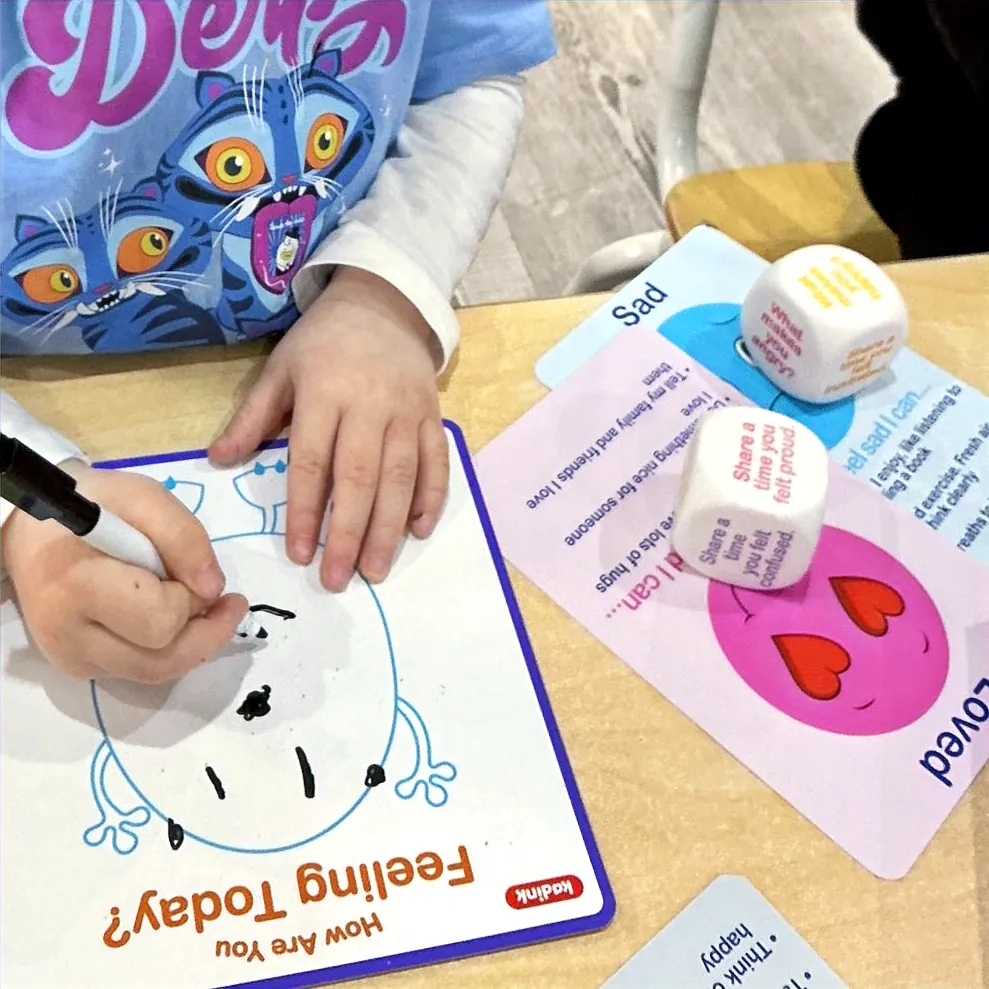
When a child has something taken from them, does not get what they want, or feels frustrated or overwhelmed — they are in the middle of one of the most significant learning experiences of their life. How do I feel this feeling without falling apart? How do I express what I need? How do I come back from being upset?
These are not small questions. They are the foundation of emotional intelligence — and emotional intelligence predicts wellbeing, relationships and success in life in ways that go far beyond academic results.
At Little Jungle, our educators sit with children in those difficult moments, name what they are feeling, and gently guide them toward their own resolution. Over time, children begin to do this for themselves. That shift from needing support to finding their own footing is one of the most profound things we get to witness.
How to be part of a community
A child at home is the centre of their world. A child at childcare is one part of a community — and learning to navigate that is genuinely complex.
Taking turns. Sharing space. Reading social cues. Including someone who is left out. Noticing when a friend is sad. Asking before taking. Waiting. Listening. Contributing.
None of these skills arrive fully formed. They are learned slowly, messily, and through hundreds of real interactions with other children over months and years. Childcare gives children an extraordinary amount of practice at exactly this, in a supported environment where educators are watching, guiding and celebrating every small step forward.
How to communicate
Language development in the early years is staggering — and the environment a child is in has an enormous influence on how it unfolds.
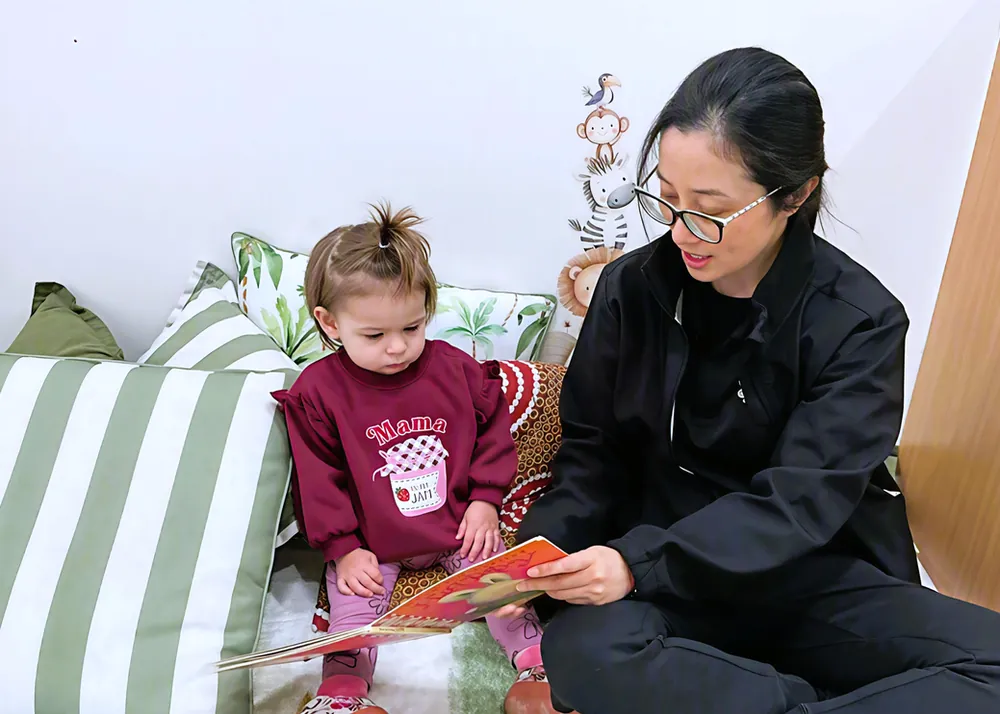
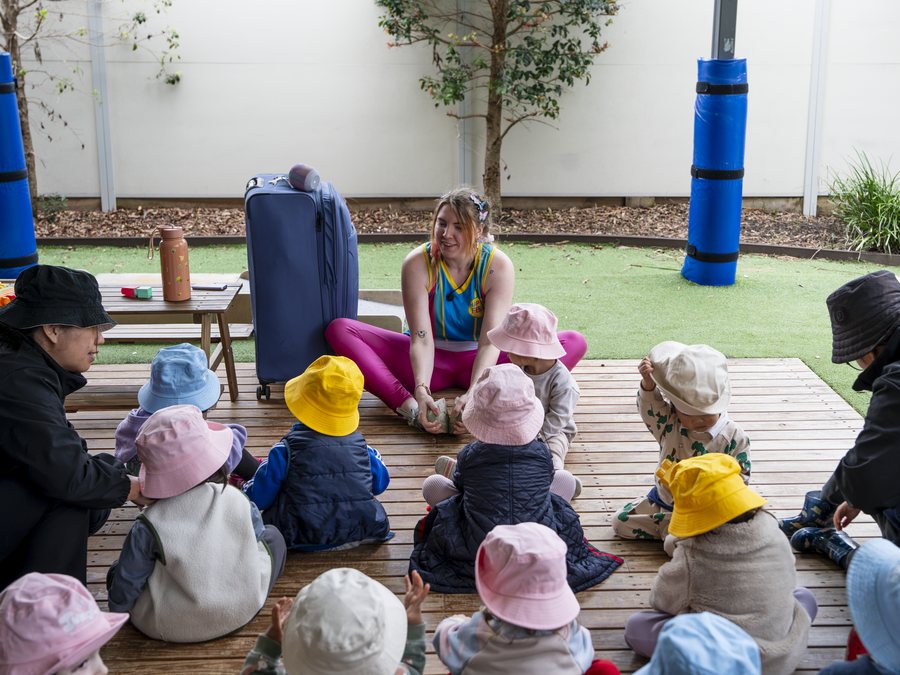
At quality early learning centres, children are immersed in rich language all day. Educators narrate what children are doing, ask open questions, introduce new vocabulary, read stories, sing songs, and engage in genuine back-and-forth conversation with even the youngest children.
Children also learn language from each other in ways that feel different from adult conversation. Peer interaction is faster, more spontaneous, and often deeply motivating. Children absorb and use new language naturally when it comes from the world around them.
How to think creatively and solve problems
Watch a group of children in free play and you are watching problem solving in action.
How do we build this tall enough without it falling? What happens if we mix these two colours? How do we make this work when we disagree about the rules?
These are not trivial questions. They require flexible thinking, trial and error, collaboration, persistence and creative reasoning. And children are doing this dozens of times a day — not because an adult set up a problem-solving activity, but because play naturally generates problems worth solving.
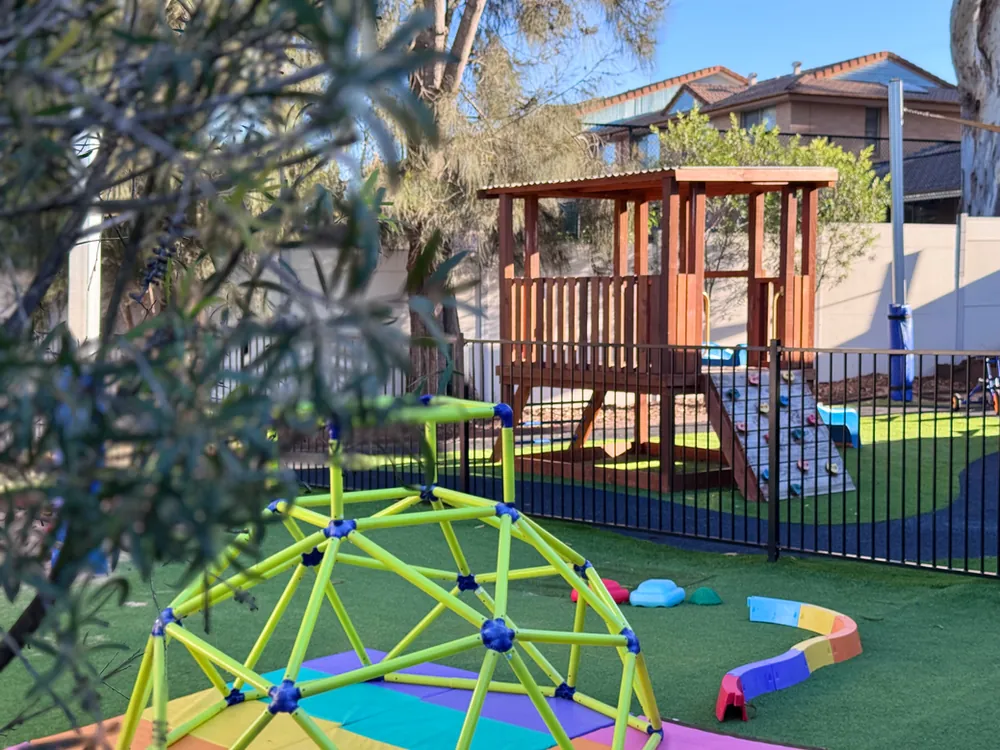
At Little Jungle, our educators create environments that invite this kind of thinking deliberately. Open-ended materials, loose parts, spaces that can be transformed and reimagined. The mess is intentional. The freedom is intentional. The learning that comes from it is real.
How to be independent
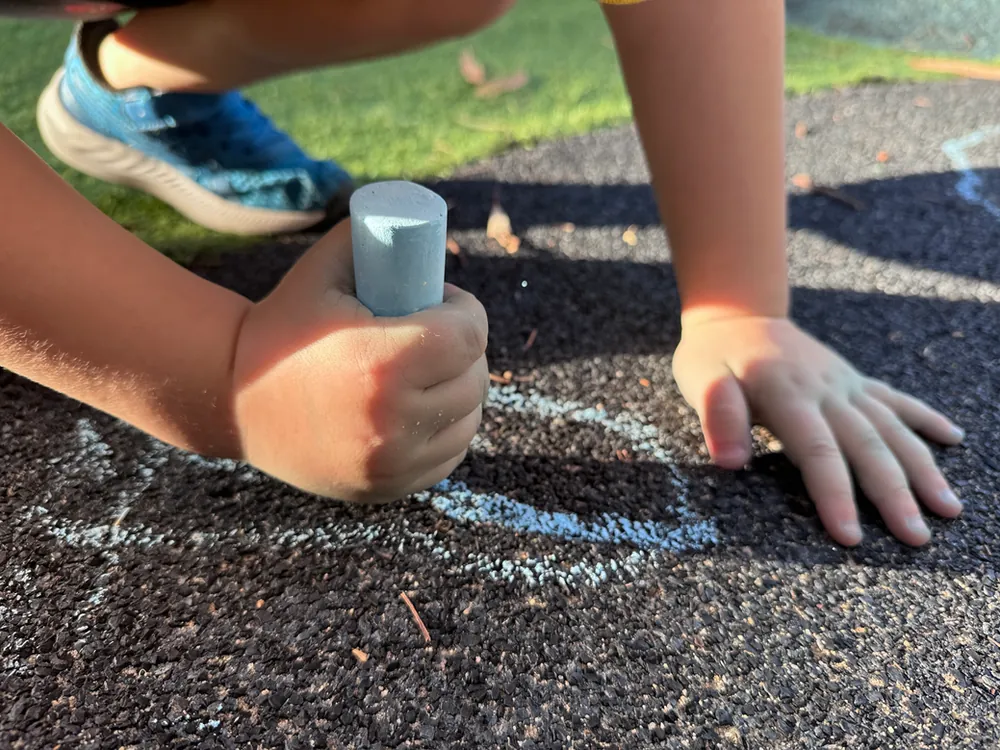
Independence in early childhood is not about doing everything alone. It is about building the confidence to try.
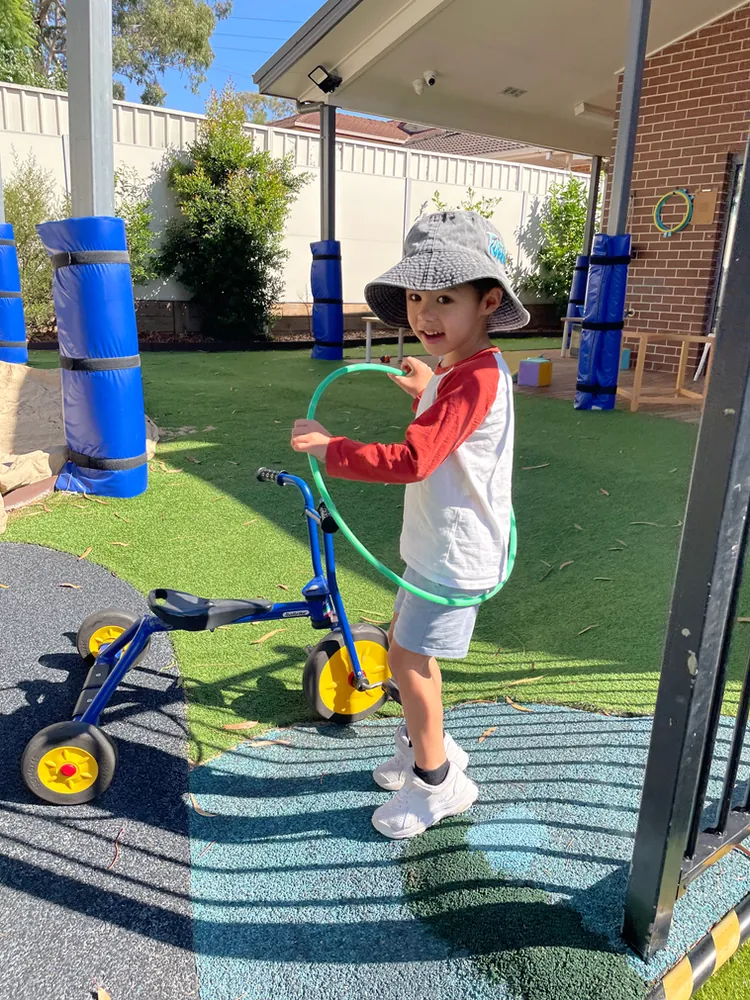
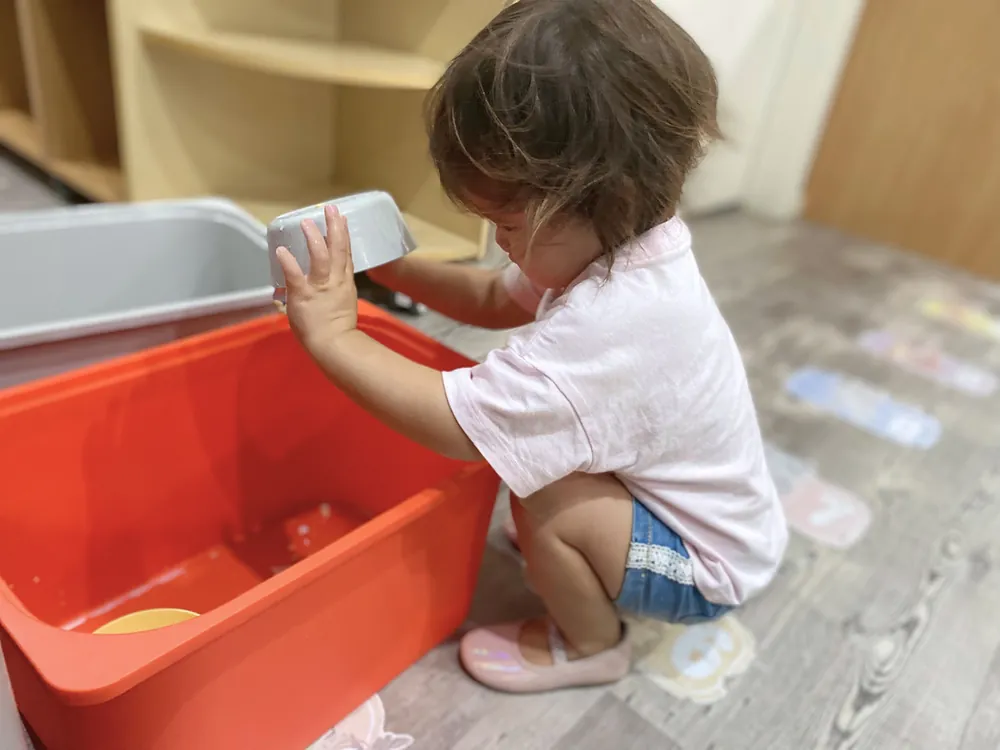
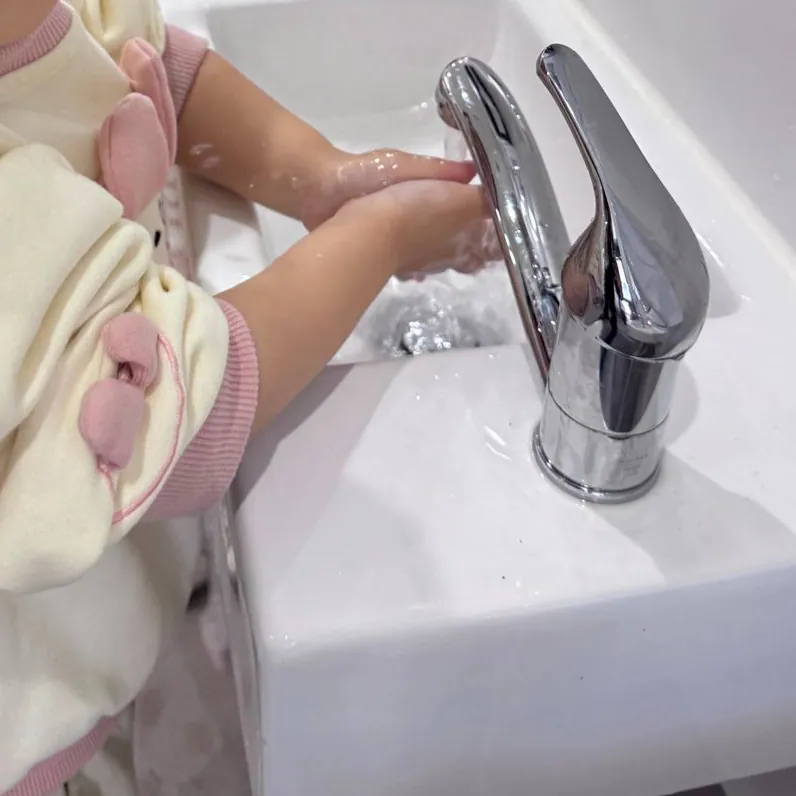
At Little Jungle, children are supported to do things for themselves from very early on — pouring their own water, putting on their own shoes, choosing their own activity, cleaning up after themselves, asking for help when they need it. These small moments of independence add up to something significant. Children begin to understand that trying is safe, that mistakes are normal, and that they are capable of far more than they thought.
How to love learning
This one is harder to measure — but it might be the most important of all.
A child who arrives at school already curious, already comfortable exploring new things, already confident that learning is enjoyable — that child carries something remarkable with them. Not because they already know their letters and numbers. But because their relationship with learning itself is a positive one.
Quality early childhood education does not rush children toward academic outcomes. It does something more powerful — it builds the disposition to learn. The willingness to try something new. The resilience to keep going when something is hard. The joy of discovery for its own sake.
That is what we are building at Little Jungle, every single day.
What does the research say about early childhood education?
The evidence on the long-term impact of quality early childhood education is among the strongest in all of education research.
Studies consistently show that children who attend high-quality early learning programs demonstrate stronger language and literacy skills, better social and emotional development, and greater school readiness. The effects are particularly significant in those critical years between birth and five — the period when the brain is developing faster than at any other point in a person’s life.
By the time your child walks into their first day of school, they will have already spent years learning how to think, feel, connect and try. That is not nothing. That is everything.
What makes Little Jungle different
At Little Jungle Early Learning in Dundas, our approach to early education is inspired by the Reggio Emilia and Montessori philosophies — both of which place the child at the centre of their own learning.
Our educators do not deliver a set curriculum to a passive group of children. They observe, document, listen, and respond. They design experiences based on what children are genuinely curious about right now. They ask questions rather than give answers. They create environments that invite exploration rather than direct it.
The result is a centre where children are not just cared for. They are genuinely educated — in the richest, most holistic sense of that word. You can see how that looks at each age in our three rooms, or watch it happening on a tour.