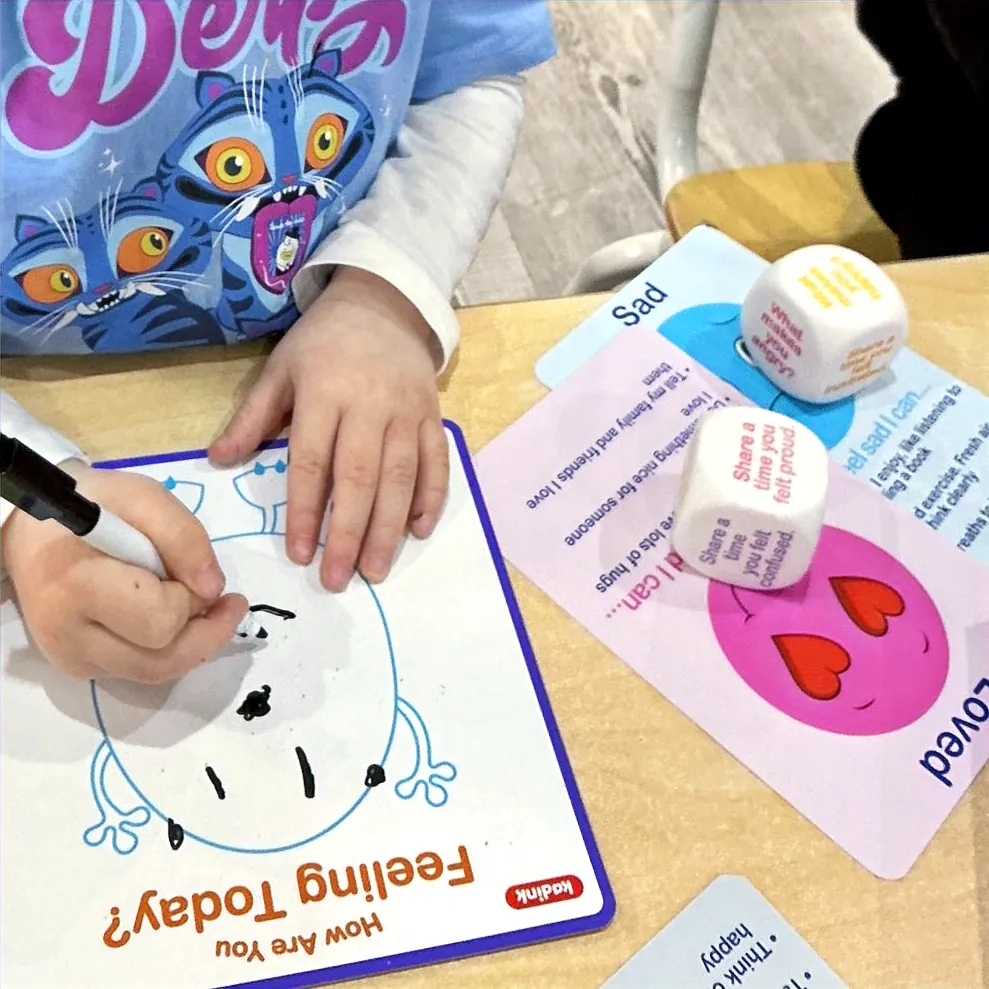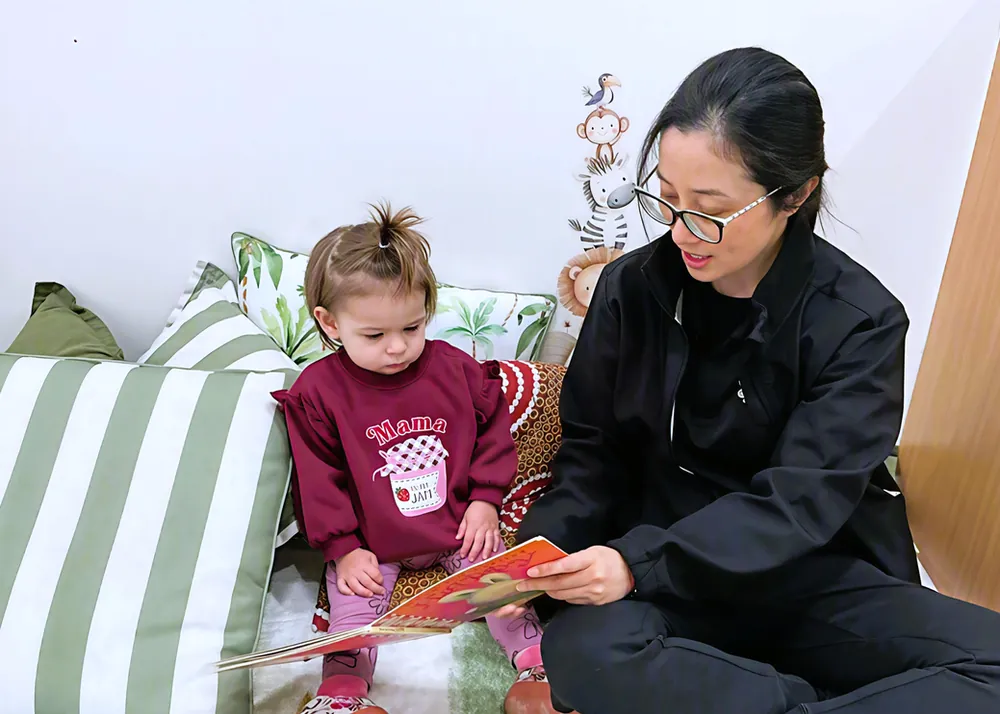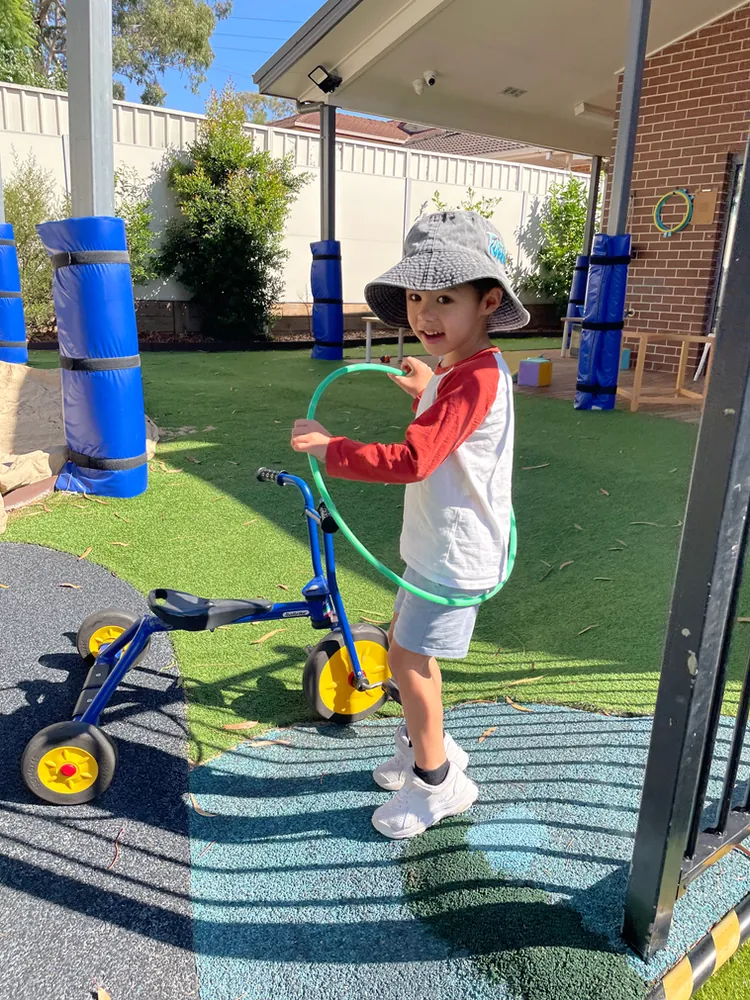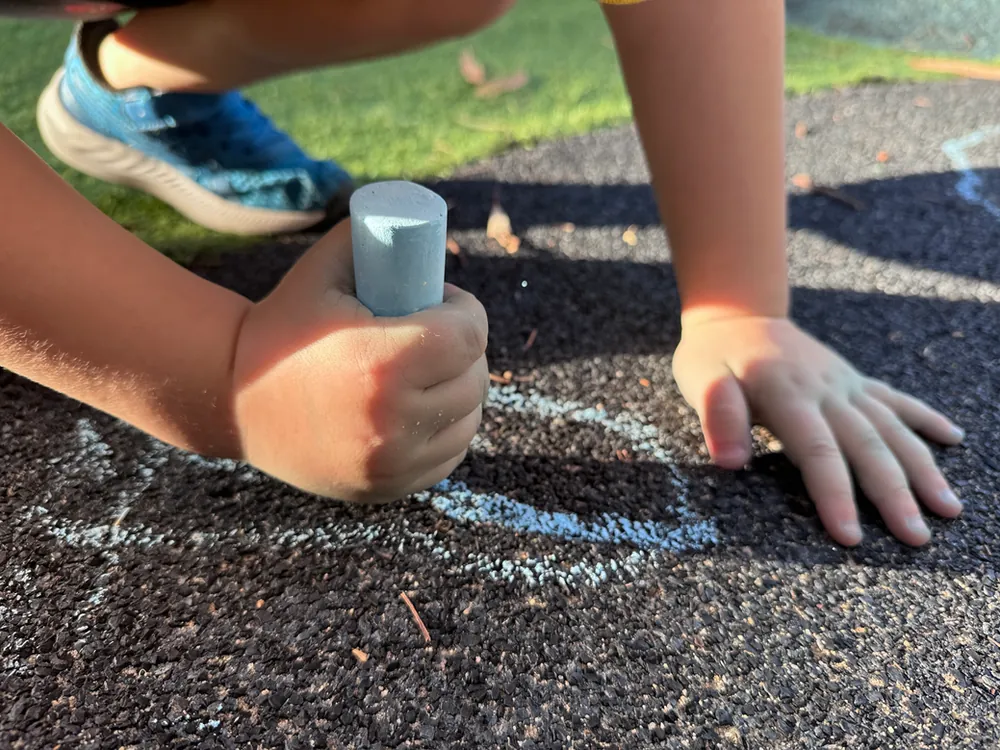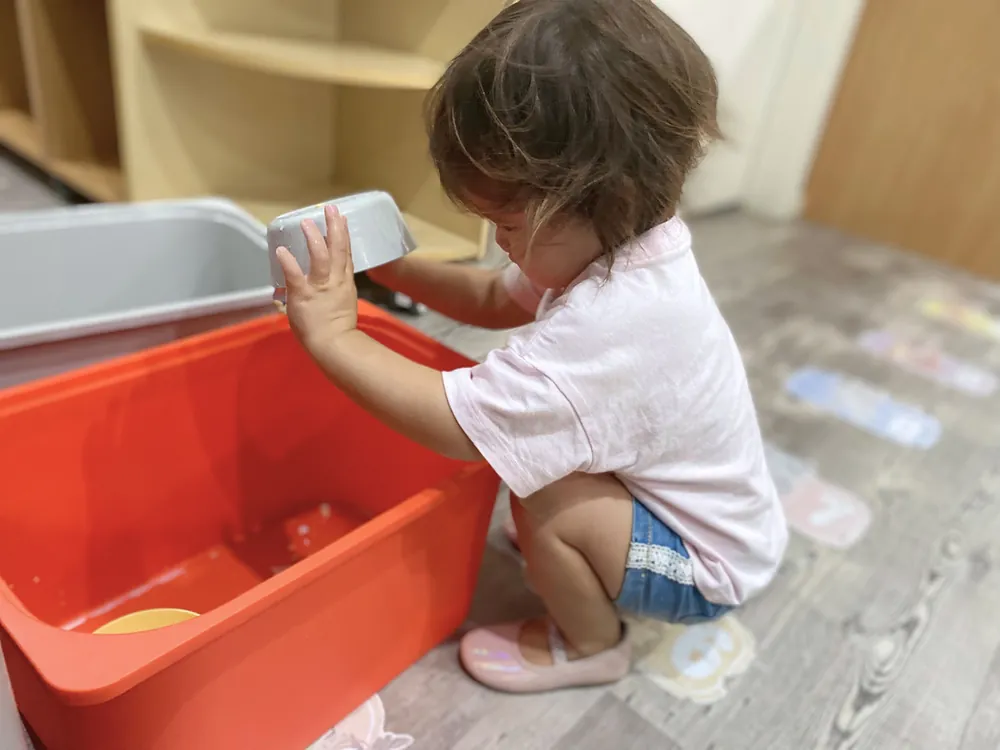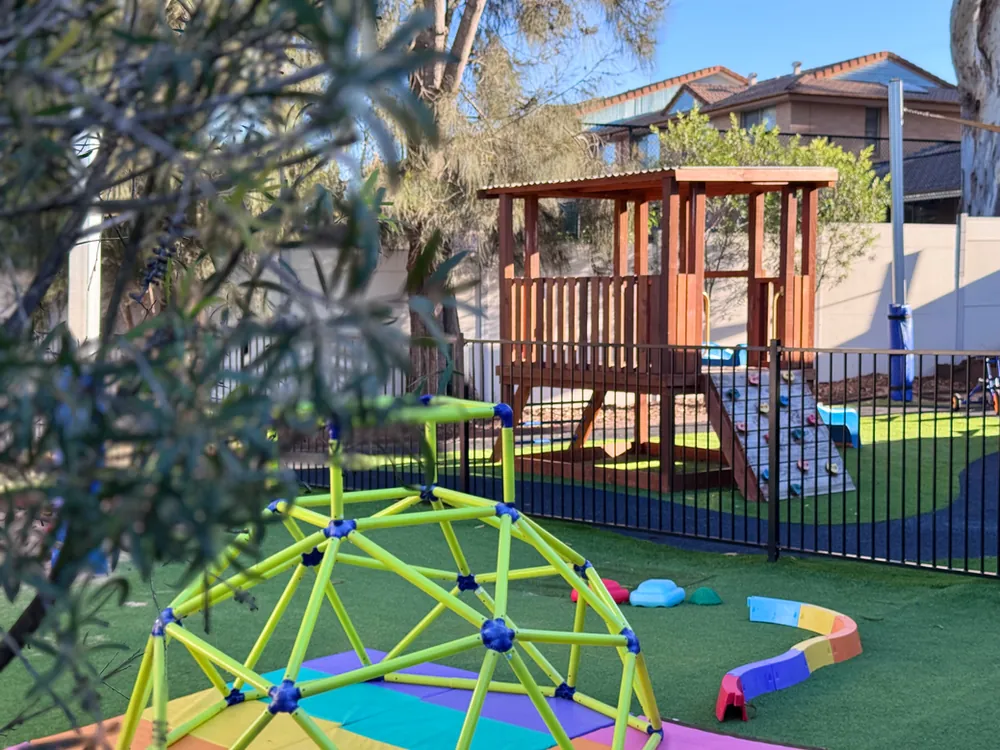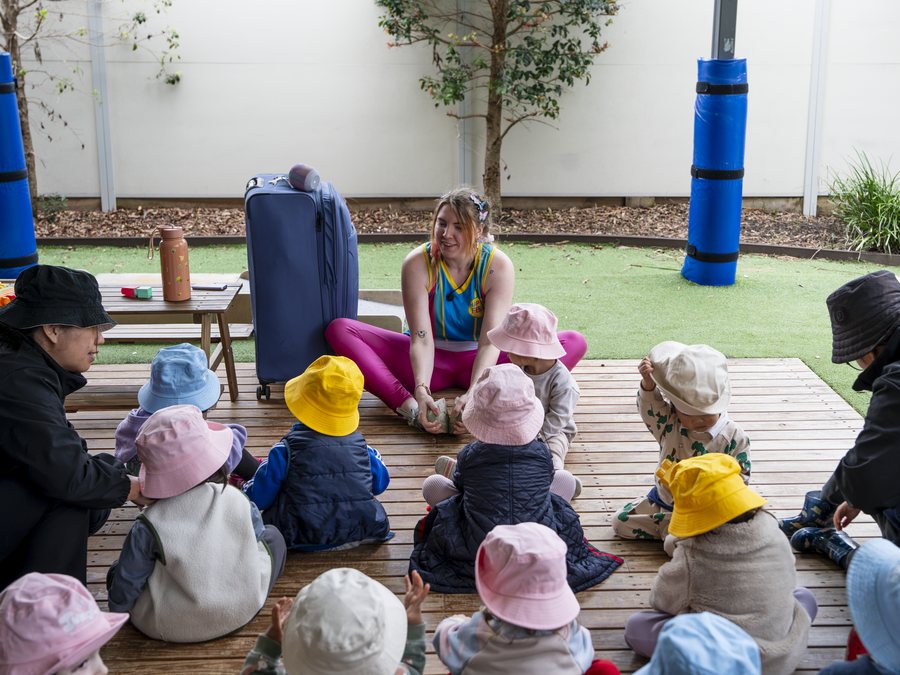
If you’ve ever picked up your child and asked, “What did you do today?” and heard “I just played,” we want you to know: that’s the best thing we could have hoped for. Because here’s the truth we want every family to understand — play isn’t a break from learning. Play is learning. It’s how young children make sense of the world, work through big feelings, and build the foundations they’ll carry with them into school and beyond.
“Play is the work of the child.” And in our rooms, we take that work seriously.
So what’s actually happening at the building blocks corner?
We know it can feel a little uncertain when you walk past our room and see children stacking blocks, designing towers, or running a pretend café. No worksheets. No rows of chairs. That is deliberate and here is why.
A worksheet might help a child trace the number 3. But when your child grabs three blocks and tries to balance them on top of each other, they are not just learning to count. They are learning what “three” actually feels like. They are discovering weight, cause and effect, and balance. The building blocks of maths, science, and engineering.
When two children negotiate over who gets the blue shovel, they are learning empathy, patience, and how to advocate for themselves. Skills no worksheet can teach.
The framework guiding it all
Our approach follows the Early Years Learning Framework (EYLF), Australia’s national standard for early childhood education, which centres on belonging, being, and becoming. We use it not as a checklist, but as a lens for seeing the whole child.
Belonging: “Who gets the blue shovel?” Negotiating, compromising, and feeling part of a group. This is conflict resolution in real time.
Being: the tea party conversation Narrating, roleplaying, and storytelling expand vocabulary more than any flashcard ever could.
Becoming: “Why does wet sand get heavy?” Asking questions and testing ideas. This is the scientific method, years before Year 7.
The skills you won’t see on a report card
There is a set of abilities that researchers call “executive function” and they are better predictors of long-term success than almost anything else. Things like the ability to focus, to try again after something goes wrong, and to solve a problem that does not have an obvious answer.
Your child is building all of these, every single day. When the block tower falls and they start again, that is resilience. When they get absorbed in a drawing for 20 minutes, that is focus and self-regulation. When they figure out that the base needs to be wider, that is problem-solving.
At Little Jungle, we are not just filling time. We are building thinkers.
Our role and why we do not just step back
Play-based does not mean hands-off. Our approach is inspired by the Reggio Emilia and Montessori philosophies, which both trust children as capable, curious learners. Our educators watch carefully and step in at just the right moment — not with “good job!” but with “I wonder what would happen if you tried it this way?” Our educators are trained in something called scaffolding, which is the art of watching carefully and knowing exactly when to step in with the right question to nudge a child’s thinking just a little further.
We believe childhood has value in itself, not just as preparation for what comes next. So next time your little one tells you they “just played” today, smile. Because something wonderful was happening.