Have you ever picked up your child from childcare and been handed a piece of paper covered in paint smears, glue blobs, and what appears to be an enthusiastic collision between a sponge and some tissue paper? And wondered what exactly you were looking at?
At Little Jungle Early Learning in Dundas, we call that a masterpiece. Not because it looks impressive hanging on the fridge. But because of everything that happened while your child was making it.
The art your child brings home tells you less about what they made and more about who they are becoming.
What is product art?
Product art is art that is focused on the end result. Every child makes the same thing. The educator demonstrates how to do it, provides the same materials, and the goal is for everyone to produce a similar finished product. A Mother’s Day card with a pre-cut flower. A Christmas tree made from a template. A handprint turkey where every turkey looks the same.
Product art is not without value. It can teach children to follow instructions, develop fine motor skills, and produce something they feel proud of. But it does have limits, particularly when it becomes the dominant form of art in an early childhood setting.
What is process art?
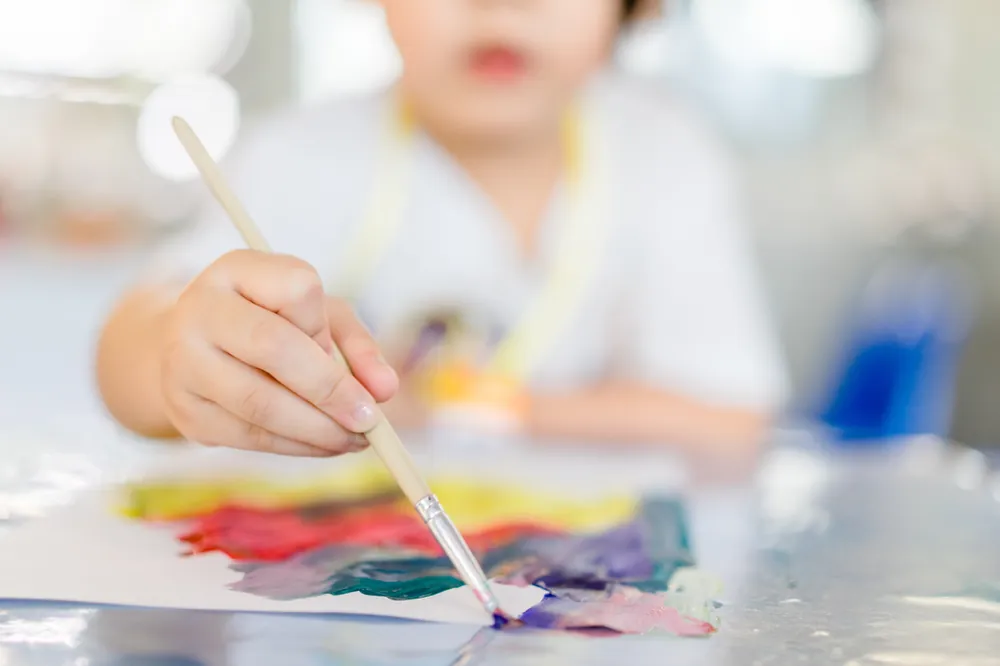
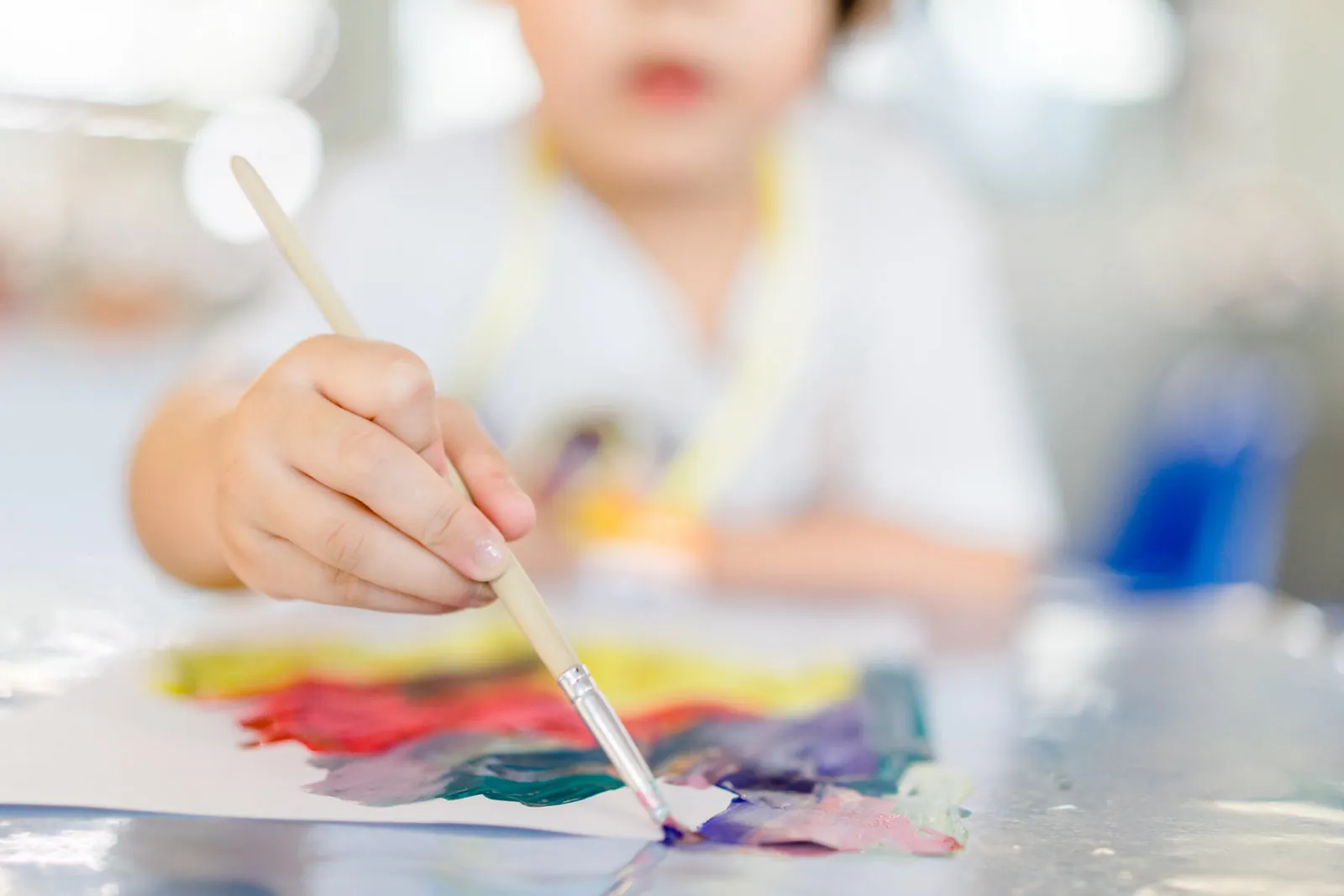
Process art is the opposite. It is open-ended, child-led, and completely focused on the experience of making rather than what gets made. There is no right answer, no template to follow, and no finished product that looks the same as anyone else’s.
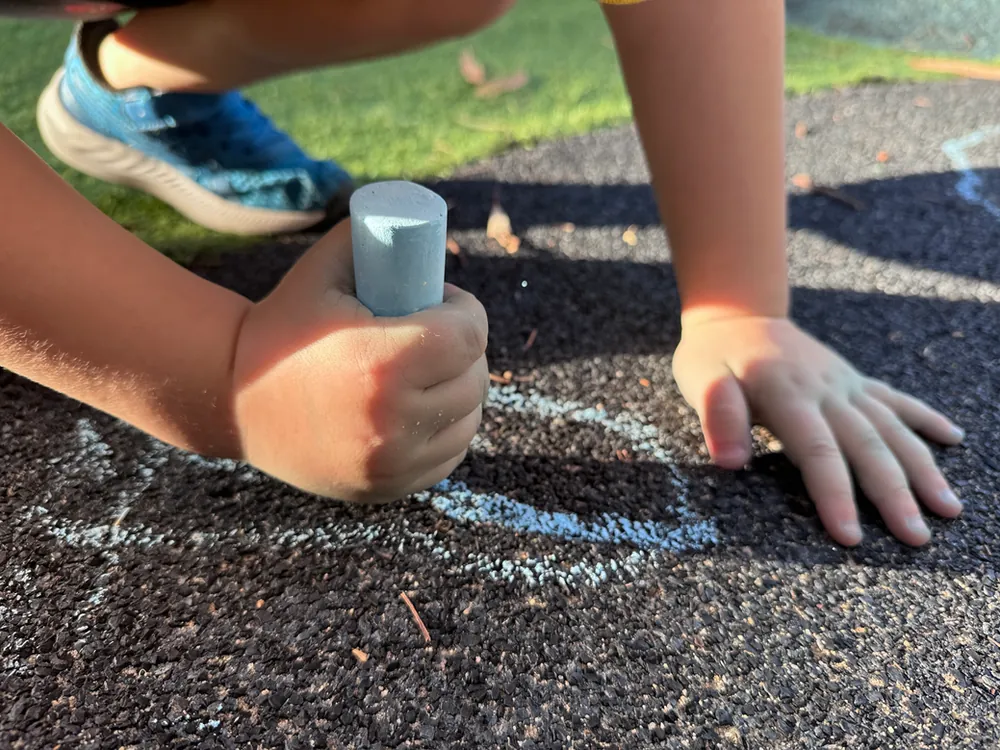
Process art might look like a child spending forty minutes mixing colours on a canvas just to see what happens. Or pressing leaves into clay over and over because they love the texture. Or layering tissue paper, water, and paint because the way they bleed together is fascinating.
Product art
- Educator led
- Everyone makes the same thing
- Focused on the finished result
- Template or instructions provided
- Adult decides the materials
Process art
- Child led
- Every creation is unique
- Focused on the experience of making
- Open-ended exploration
- Child chooses their own path
Why does process art matter in early childhood?
When a child engages in process art they are doing far more than making a mess, though the mess is genuinely part of it. They are making decisions, solving problems, experimenting with cause and effect, developing fine motor skills, and expressing something about themselves that words cannot always capture.
It builds creative thinking
When there is no right answer, children have to think for themselves. What happens if I add more water? What if I use my fingers instead of the brush? This kind of thinking is the foundation of innovation and problem-solving.
It develops emotional expression
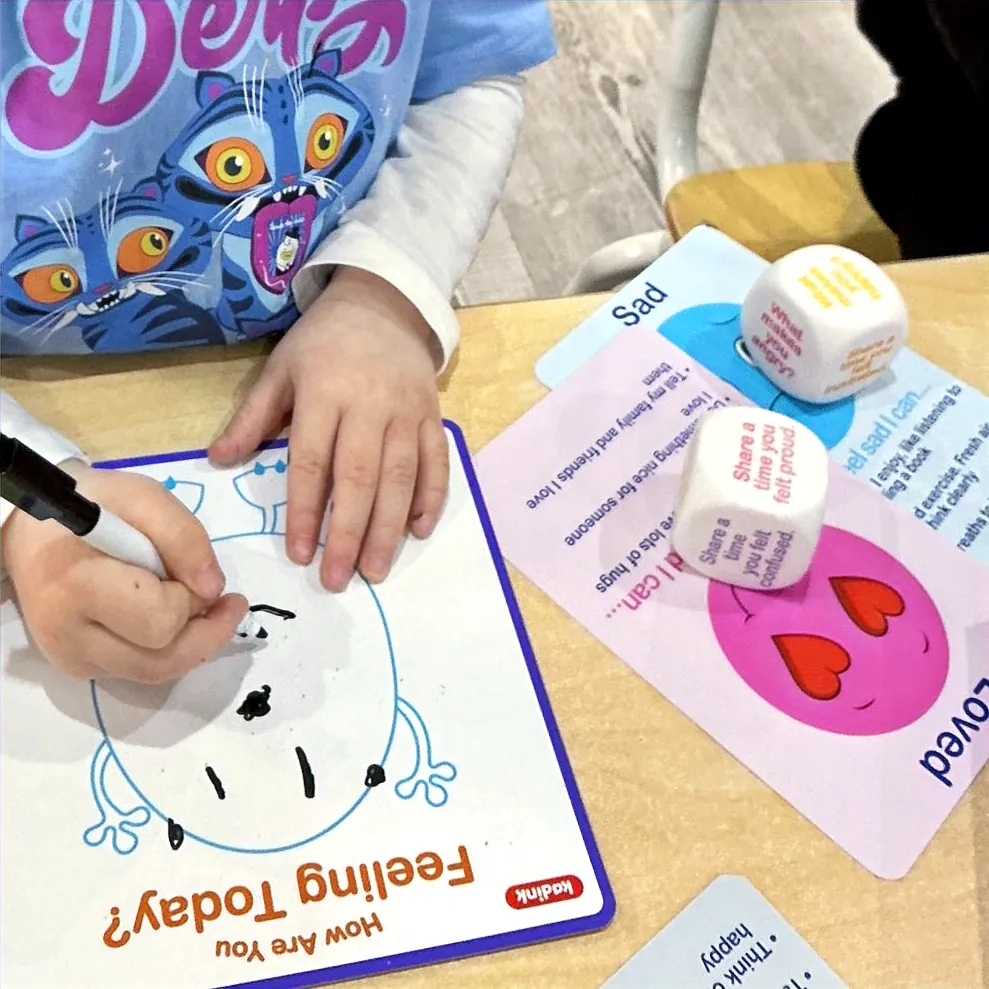
Art gives children a language for feelings they do not yet have words for. A child who is working through a big emotion at the easel is doing something genuinely important for their wellbeing.
It builds confidence and self-trust
When a child’s choices are honoured and their creation is celebrated for what it is rather than how closely it matches a template, they learn that their ideas have value. That is a lesson that lasts a lifetime.
It supports concentration and persistence
Process art invites children to stay with something. To try again. To go deeper. These are exactly the executive function skills that support learning right through school and beyond.
What process art looks like in our rooms:
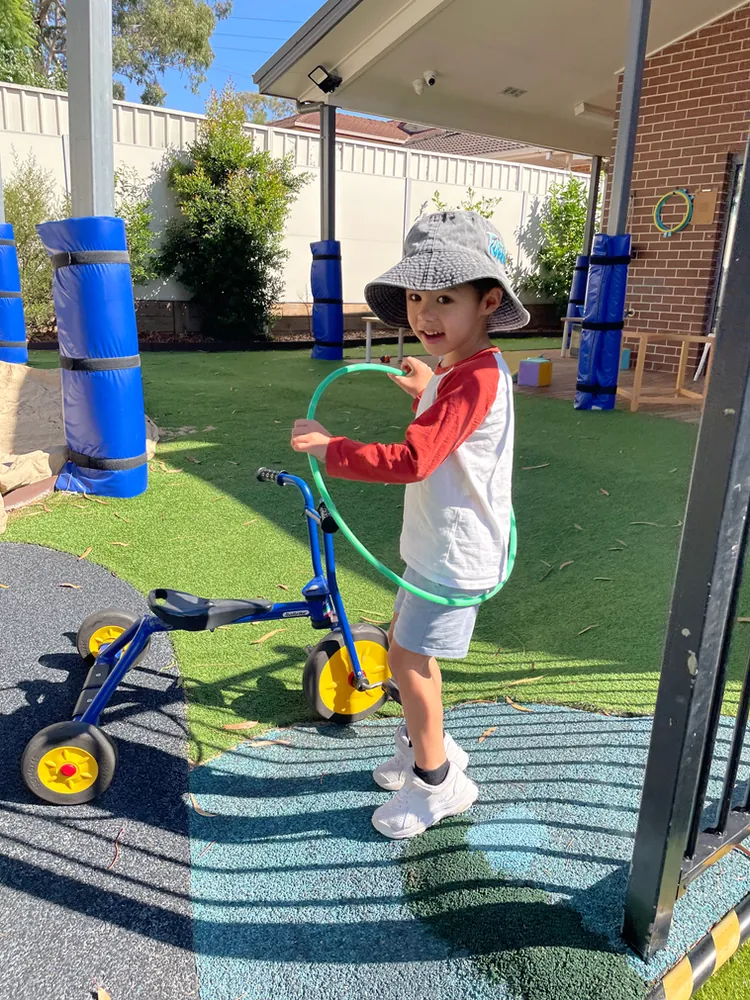
Open-ended art invitations are available every day across all age groups, from our Cuddle Cubs to our Jungle Explorers.
Children choose their own materials from a range of natural and sensory resources including clay, paint, charcoal, fabric, leaves, sand, and water.
Educators observe and document the process, not just the product. We note what a child was thinking, saying, and discovering as they created.
We display children’s work with respect, often alongside a quote from the child about what they were doing or thinking. Because the story behind the art matters as much as the art itself.
What should I say when my child shows me their artwork?
This is one of our favourite questions and the answer might surprise you. Try not to say “What is it?” That question, however innocent, tells a child that their work needs to look like something to be valid.
Instead try: “Tell me about this.” Or simply: “I love watching you create.” These responses open a conversation, honour the child’s process, and communicate that you value what they made for the experience it was, not the product it became.
The best thing about process art is that every child gets it right. Every single time.