When parents find out that meals are included at Little Jungle Early Learning, the first reaction is almost always relief. One less thing to pack. One less thing to think about at 7am. And that matters.
But the second question is usually this: what does my child actually eat? And that is a really good question, because at Little Jungle mealtimes are about a lot more than just food.
A shared meal is one of the oldest forms of connection. At Little Jungle we use it as one of the richest learning experiences of the day.
What do children eat at Little Jungle?
Every meal and snack at Little Jungle Early Learning is freshly prepared in our kitchen each day. Our menu follows the Australian Dietary Guidelines and is designed to give children a wide variety of whole foods, vegetables, fruits, proteins, and wholegrains across the week.
A typical day of meals at Little Jungle might look like:
- Breakfast: wholegrain toast with spreads, fresh fruit, and milk.
- Morning tea: seasonal fruit and yoghurt or cheese and crackers.
- Lunch: a warm meal such as chicken and vegetable pasta, shepherd’s pie, or fried rice with egg and vegetables.
- Afternoon tea: a light snack such as fruit, rice cakes, or a homemade muffin.
How do we handle allergies and dietary requirements?
Every child’s dietary needs are different and we take this seriously. At enrolment we ask families to share any allergies, intolerances, or dietary requirements so we can make sure every child is safe and well fed every single day.
Our kitchen team is trained in allergen management and all meals are prepared with individual children’s needs in mind. If your child has a medically diagnosed allergy or intolerance, we will work closely with you and your child’s healthcare provider to make sure their needs are fully met.
What about children with different food preferences?
This is one of the most common things families mention when they start at Little Jungle: “My child only eats a few foods at home. What happens if they do not eat?”
At Little Jungle, we understand that every child has different food preferences, just like adults do. We do not expect children to like everything straight away, and we never pressure children to finish everything on their plate.
Instead, we start with what children are comfortable eating, then gently encourage them to explore new foods over time. Sitting with friends, seeing others enjoy their meals, and being supported by calm educators can make a real difference.
For us, success is not about finishing the whole plate. It is about feeling safe, being willing to try, and slowly building a positive relationship with food.
We never force or pressure children to eat
Mealtimes at Little Jungle are calm and positive. Children are offered food and encouraged gently but never pressured. We follow a responsive feeding approach which research shows supports healthy relationships with food long term.
We offer variety without expectation
Children are always offered a full meal. If they choose not to eat something, that is okay. Repeated, relaxed exposure to a wide range of foods is one of the most effective ways to broaden a fussy eater’s palate over time.
We let children serve themselves when they are ready
Inspired by our Montessori approach, older children in our Jungle Explorers room are encouraged to serve their own food. This builds independence, fine motor skills, and a genuine sense of ownership over what they eat.
We tell you what they ate
Our educators keep track of what each child eats throughout the day and share this with families at pick-up. You will always know whether your child had a big lunch or barely touched their afternoon tea.
Why mealtimes matter beyond nutrition
At Little Jungle we think of mealtimes as one of the most valuable parts of the day, not just for nutrition but for everything that happens around the table.
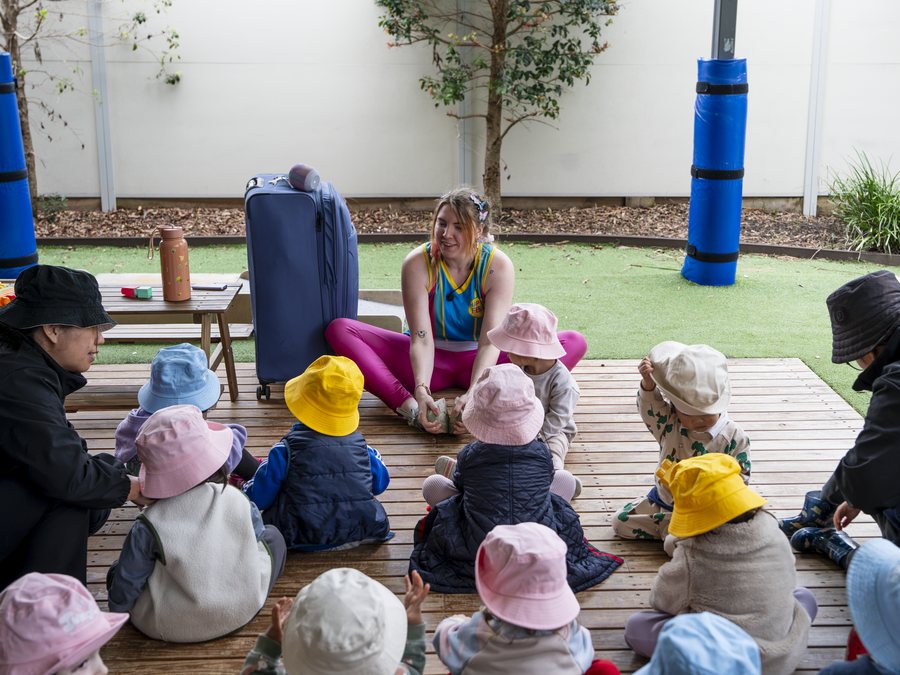
When children sit together for a meal they practise conversation, taking turns, listening, and sharing. They learn to pour their own water, use utensils, and clean up after themselves. They discover new foods in a safe, social setting. They slow down, connect with their friends and educators, and simply enjoy being together.
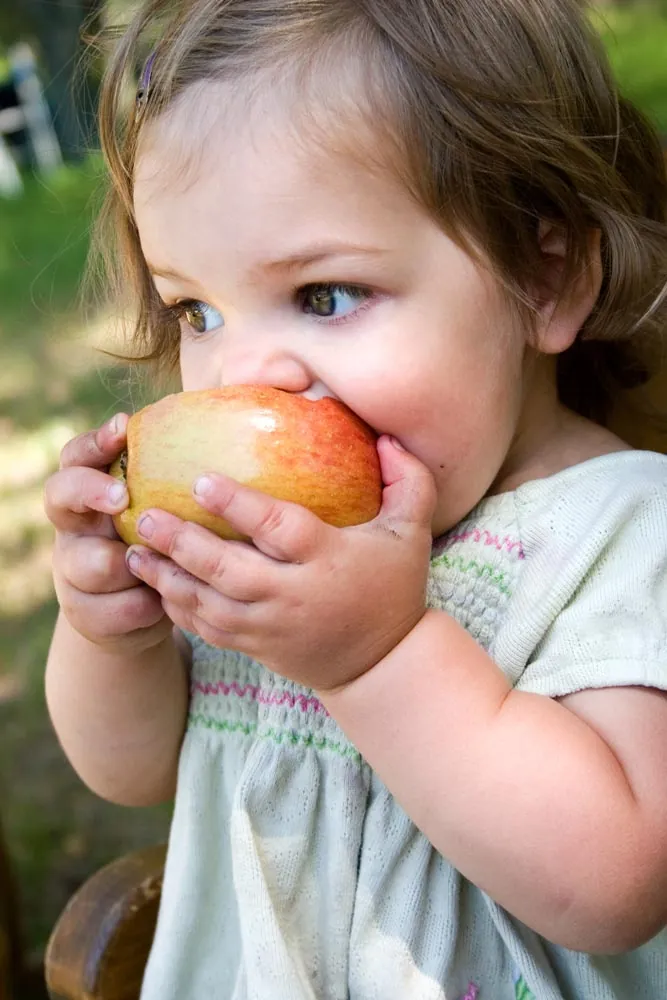
Some of the best conversations we hear at Little Jungle happen over lunch. And some of the bravest eating happens when a child watches their friend try something new first.
What about babies and bottle feeding?
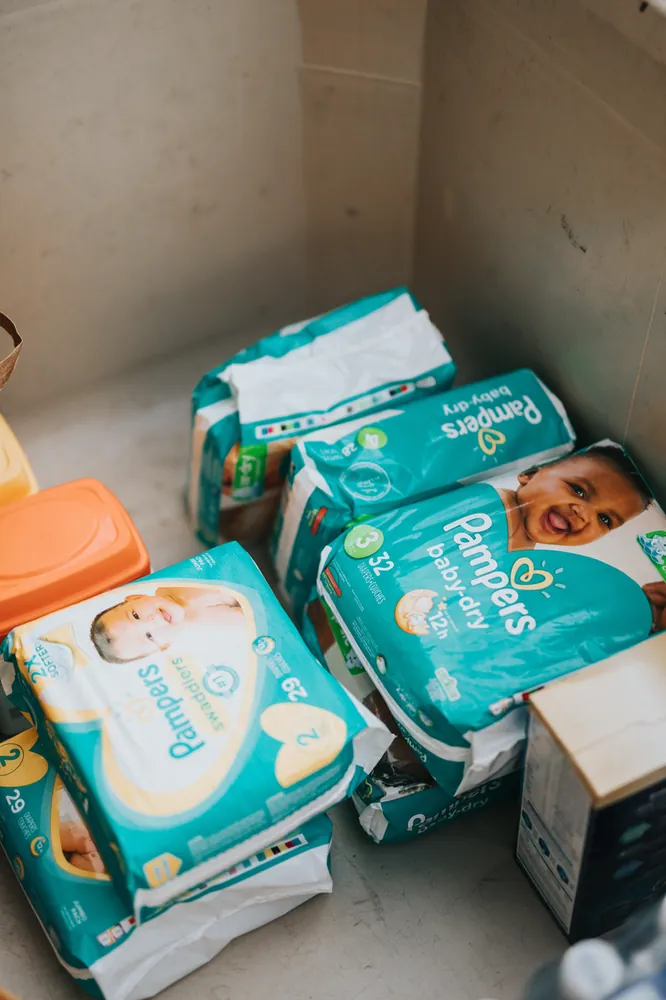
For our youngest children in the Cuddle Cubs room, feeding routines are deeply personal and we treat them that way. If your baby is breastfed, please bring expressed milk in clearly labelled bottles and we will follow your feeding schedule as closely as possible throughout the day.
For formula-fed babies, please bring your preferred formula and bottles clearly labelled. Our educators are trained in safe bottle preparation and warming practices and will follow your baby’s individual routine.
As babies transition to solids, we work closely with families to introduce new foods gradually and in line with what is happening at home. Consistency between home and Little Jungle matters to us.
A note on our inclusive approach to food
Food is deeply connected to culture, family, and identity. At Little Jungle Early Learning we celebrate the diversity of our community and understand that food means different things to different families. We welcome conversations about cultural food preferences and do our best to honour these where we can.
If you have any questions about our menu, our kitchen practices, or how we support your child’s specific eating needs, please come and talk to us. Our team is always happy to chat.
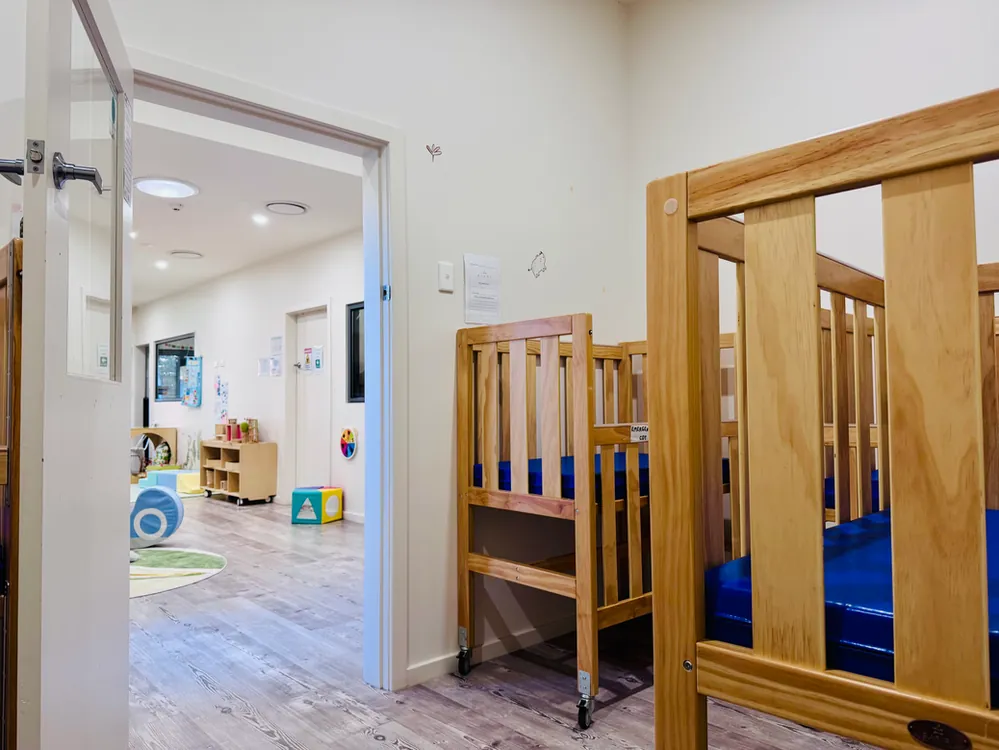
Mealtimes are one rhythm of the day; sleep and rest are the other — and we approach both the same way.